


Zimbabwe Case Study: KM Installs a 12KW Dual-Worktable Fiber Laser Cutting Machine
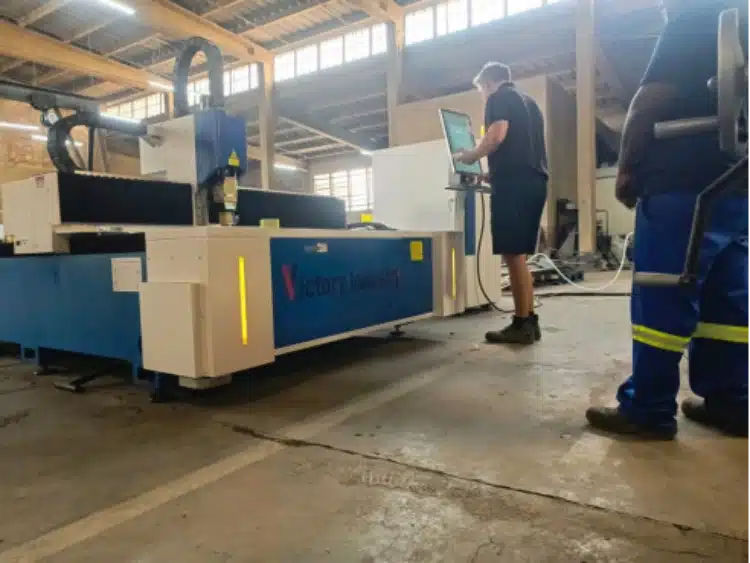
KM is a metalwork company making decorative balcony railings, metal screens for restaurants and cafés as well as making custom gates in Zimbabwe. The work includes repeat pattern work as well as one-off designs. The joints are often visible, so rough cuts or welds can mean extra finishing before a piece leaves the workshop. In September 2026, KM put a 12KW fiber laser cutting machine from VICTORY INDUSTRY into production. KM had bought a 3KW handheld laser welding machine in 2024 and visited three equipment factories in China in 2025. The new cutter was selected with regular 4–8 mm carbon steel, possible 20–30 mm plate jobs, local gas supply and […]
Can a Fiber Laser Cut Copper and Brass? A Practical Cutting Guide
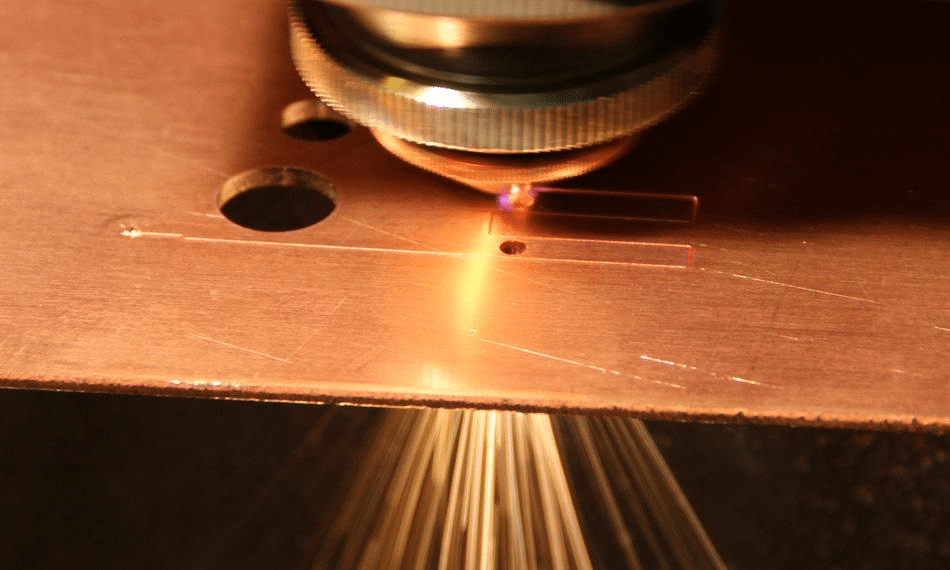
Fiber lasers can be set up to cut copper and brass. These metals are reflective so the laser and cutting head must be set up to deal with reflective materials. You will also need to adjust the piercing, focus, assist gas and cutting speed to suit the metal. Check how a proposed machine will cut the actual thickness of metal you work with, make small holes, produce acceptable cut edges and deal with longer production runs. While a simple clean sample from easy material will not assist with different alloys ordered, a drawing plus a few standard production sheets will generally tell you more about a given machine than a long […]
Laser Cutting Machine Cost per Part: A Practical ROI Calculation Guide
Divide the total batch cost by the number of parts that turned out well to arrive at the laser cutting machine cost per part. Indicate whether the material is included in the cost. A $5 processing charge paid to another company for example cannot be compared with a $5 processing charge for in-house processing plus the cost of the sheet. Even if you’re buying cheap, remember that cheap machines cost you in fuel, wear & tear and downtime. Before you order, work out the cost of the parts you sell in the volumes you intend to deliver. What Goes into Laser Cutting Machine Cost per Part? Equipment and Installation Cost […]
How Accurate Is a Laser Cutting Machine? Tolerance, Kerf Width, and Repeatability
For industrial fiber laser cutting of metal sheet, the useful number is the tolerance measured on the finished part. SendCutSend, for example, lists +/-0.005 in (+/-0.127 mm) for laser-cut parts under 12 in and +/-0.010 in (+/-0.254 mm) for larger parts. Those are that provider’s limits, not a universal machine rating or a Victory Industry specification. The positioning figure still matters, but it describes axis movement under a defined test. A finished bracket also reflects material, thickness, focus, kerf compensation, corners, heat, and the inspection method. For a machine purchase, mark the critical dimensions on your drawing and test them with your material. This keeps the comparison tied to production […]
Laser Cutting Machine Maintenance Checklist: Daily, Weekly & Monthly Tasks
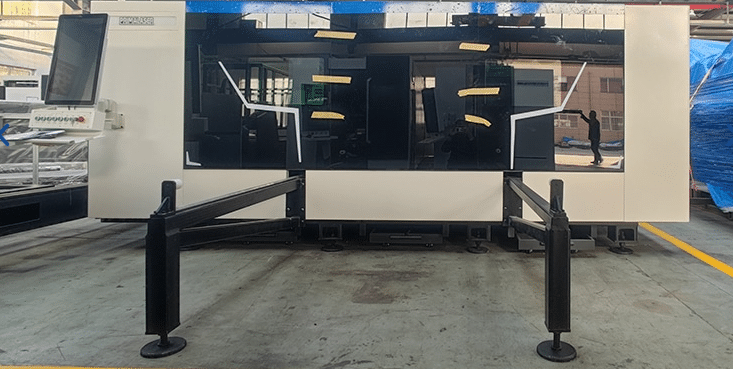
A fiber laser cutting machine can run reliably for years, but only if maintenance is part of normal production instead of something done after a bad cut appears. Small problems often show up first as slower piercing, more dross, rough edges, unstable holes, or a program that suddenly stops giving the same result. Use this laser cutting machine maintenance checklist before each shift and at weekly, monthly, and quarterly intervals. It covers the cutting head, protective lens, nozzle, assist gas, chiller, motion system, extraction, and safety devices. Follow the machine maintenance schedule and your factory safety procedure. Use lockout/tagout and the required PPE where the job calls for it. Electrical […]
How to Choose a Fiber Laser Cutter for Stainless Steel
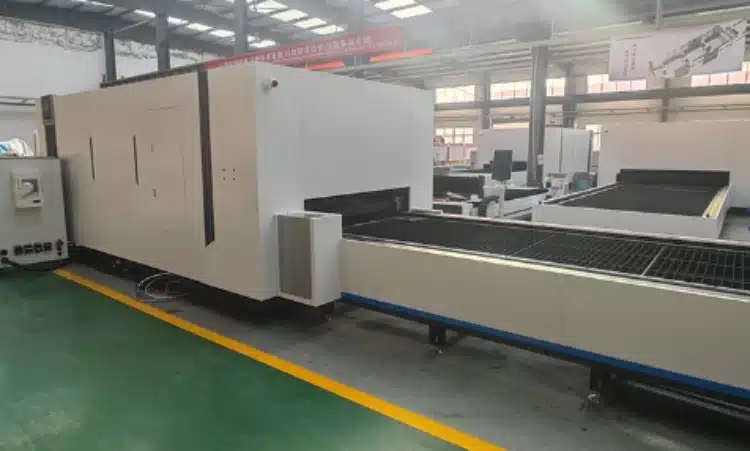
Choosing a fiber laser cutter for stainless steel should start with the parts you need to make, not with the biggest wattage number on a quotation. Your normal stainless steel grades, thicknesses, hole sizes, drawing tolerances, edge requirements and daily output all affect the final configuration. A workshop cutting thin decorative panels has a different job from a factory producing thicker parts in larger batches. Even when both buyers process stainless steel, the machine setup may be quite different. For many sheet-metal applications, fiber laser is a practical choice because it handles stainless steel, small features and nested parts well. Finished-part quality still depends on motion control, cutting head stability, […]
Best Fiber Laser Cutting Machine for Thick Aluminum Plates in 2026
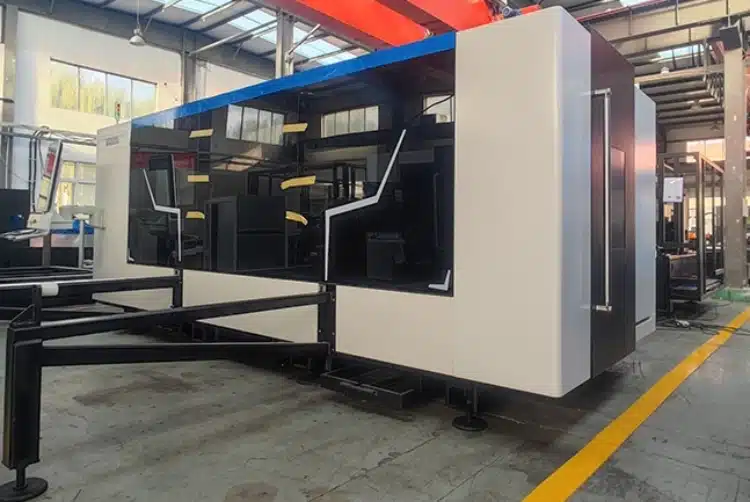
Looking for the best fiber laser cutting machine for thick aluminum plates in 2026? Start with the most common aluminum parts you produce every week, not with the thickest possible aluminum plate shown on a picture. The machine for regular production needs to have sufficient laser power for the typical thickness range of aluminum parts you produce on a regular basis. But that’s not enough. It also needs stable piercing, an auto-focus cutting head, reliable gas supply, sturdy bed, precise motion and sufficient cooling for long cutting jobs. For this guide, aluminum plate around 10 mm and above is treated as thick material in general sheet-metal work. The actual limit […]
Fiber Laser vs CO2 vs Plasma Cutting: Which Is Best for Sheet Metal Fabrication?
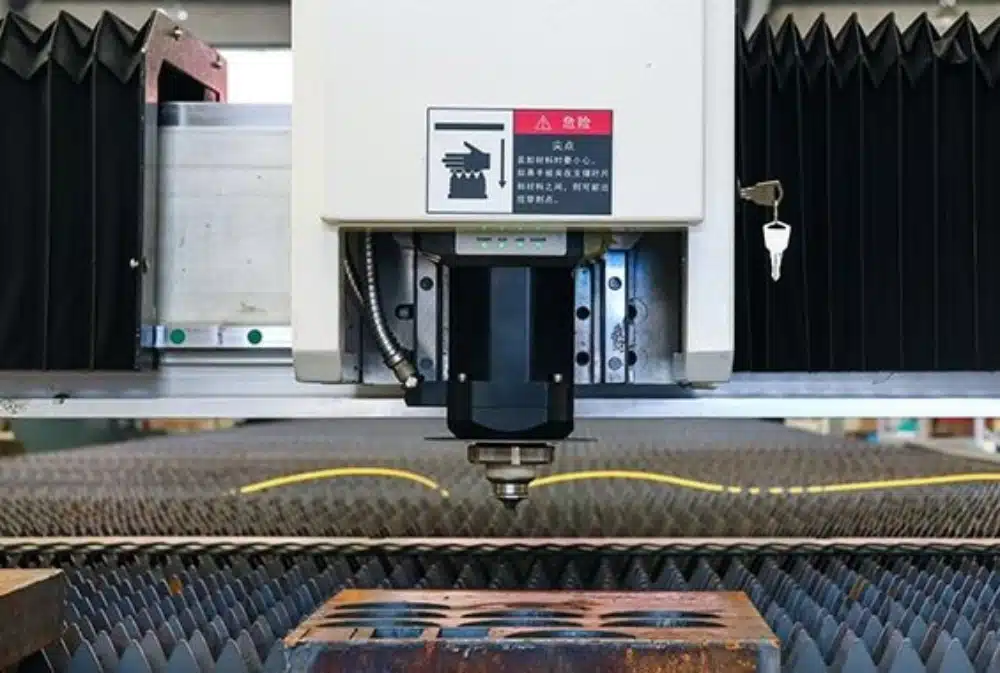
For a sheet metal shop, a fiber laser is typically the best all-round machine for cutting carbon steel, stainless steel, aluminum, brass and copper. The narrow cutting kerf, small holes and minimal heat affected zone are all key benefits when running at the optimal power, focal length, speed and with the correct assist gas. For thick structural steel, plasma cutting is generally more suitable with looser tolerances and surface finish being key factors. For a shop running large quantities of non-metal materials on the same machine, a CO2 laser can be a cost effective option. No one cutting tool is best. The choice of cutting tool will depend on material […]
Laser Cutting vs Waterjet Cutting: Which Is Better for Metal Fabrication?
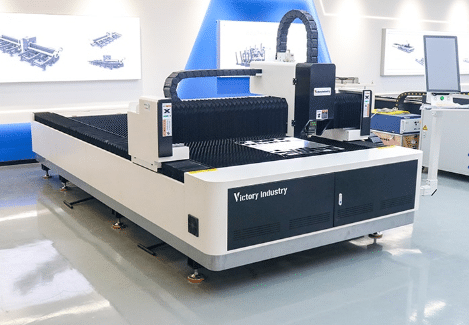
When producing high volumes of sheet-metal parts, fiber laser cutting is generally the preferred method. With high cutting speeds, narrow cutting kerf and easy automation, the process is highly efficient. However, thick sections, heat sensitive and non-metallic materials, as well as parts that cannot possess a conventional heat-affected zone, are best cut using abrasive waterjet cutting. Material, thickness, tolerance, part edge finish, production volume and cost per part all play a significant role in determining which process is best. The comparison below is a practical starting point. Final settings and costs should be confirmed with the same part drawing and a test cut on the proposed machine. Laser Cutting vs […]
How to Optimize Fiber Laser Cutting Parameters for Carbon Steel
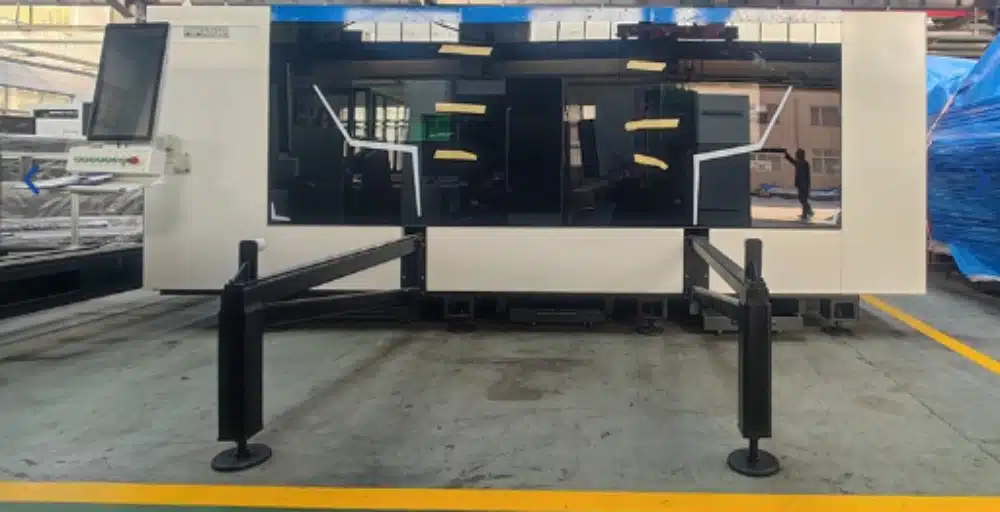
To optimize fiber laser cutting parameters for carbon steel, start with material thickness and a proven machine recipe. Balance laser power with cutting speed first, then adjust assist gas, pressure, focus position, nozzle, piercing settings, and cut height. Change one thing at a time. Check both sides of the test piece and keep the settings that stay stable across repeated cuts. A single “best” value is rarely useful for every machine. A clean 1 mm sheet and a 20 mm plate need very different heat input, gas flow, focus, and piercing control. The useful target is a stable parameter window that gives full separation, manageable dross, acceptable edge quality, and […]