


How Accurate Is a Laser Cutting Machine? Tolerance, Kerf Width, and Repeatability
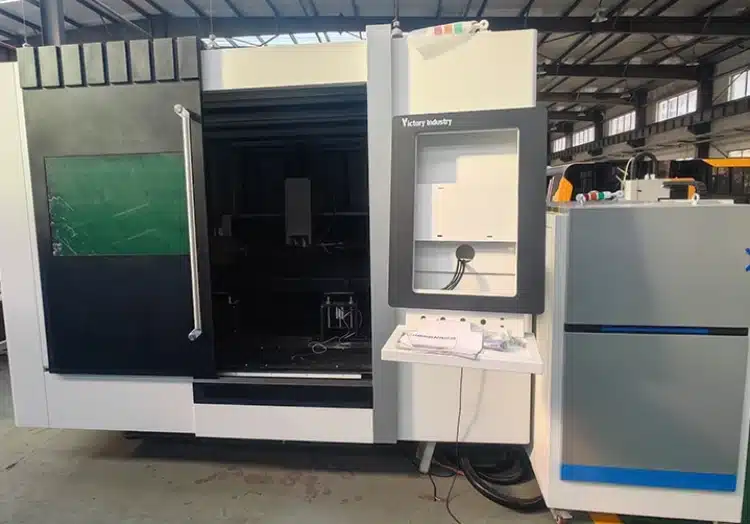
For industrial fiber laser cutting of metal sheet, the useful number is the tolerance measured on the finished part. SendCutSend, for example, lists +/-0.005 in (+/-0.127 mm) for laser-cut parts under 12 in and +/-0.010 in (+/-0.254 mm) for larger parts. Those are that provider’s limits, not a universal machine rating or a Victory Industry […]
Laser Cutting Machine Maintenance Checklist: Daily, Weekly & Monthly Tasks
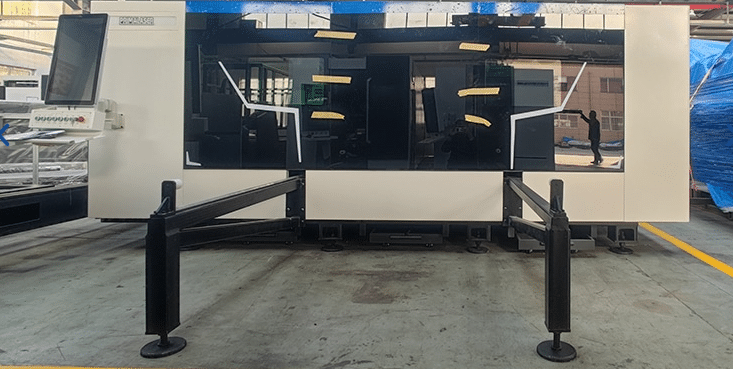
A fiber laser cutting machine can run reliably for years, but only if maintenance is part of normal production instead of something done after a bad cut appears. Small problems often show up first as slower piercing, more dross, rough edges, unstable holes, or a program that suddenly stops giving the same result. Use this […]
How to Choose a Fiber Laser Cutter for Stainless Steel
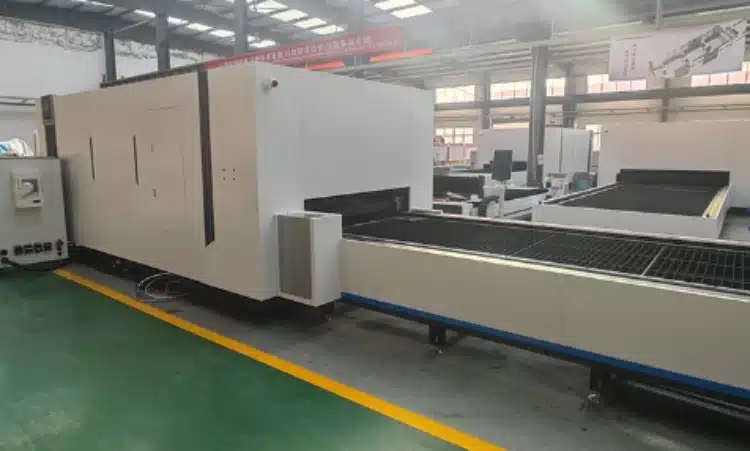
Choosing a fiber laser cutter for stainless steel should start with the parts you need to make, not with the biggest wattage number on a quotation. Your normal stainless steel grades, thicknesses, hole sizes, drawing tolerances, edge requirements and daily output all affect the final configuration. A workshop cutting thin decorative panels has a different […]
Best Fiber Laser Cutting Machine for Thick Aluminum Plates in 2026
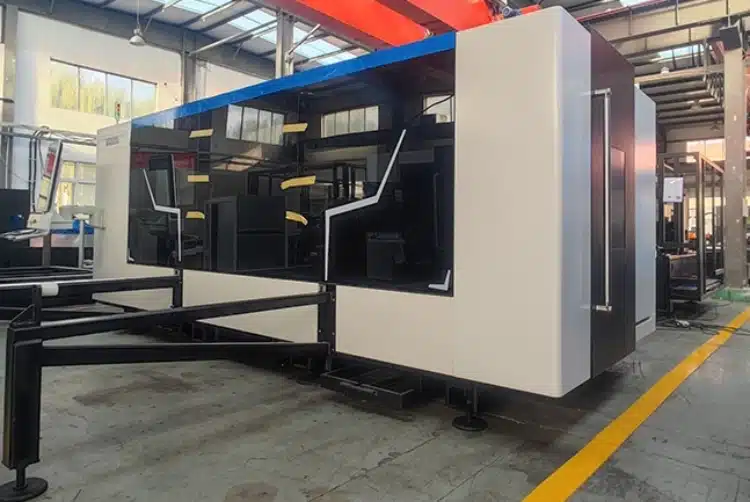
Looking for the best fiber laser cutting machine for thick aluminum plates in 2026? Start with the most common aluminum parts you produce every week, not with the thickest possible aluminum plate shown on a picture. The machine for regular production needs to have sufficient laser power for the typical thickness range of aluminum parts […]
Fiber Laser vs CO2 vs Plasma Cutting: Which Is Best for Sheet Metal Fabrication?
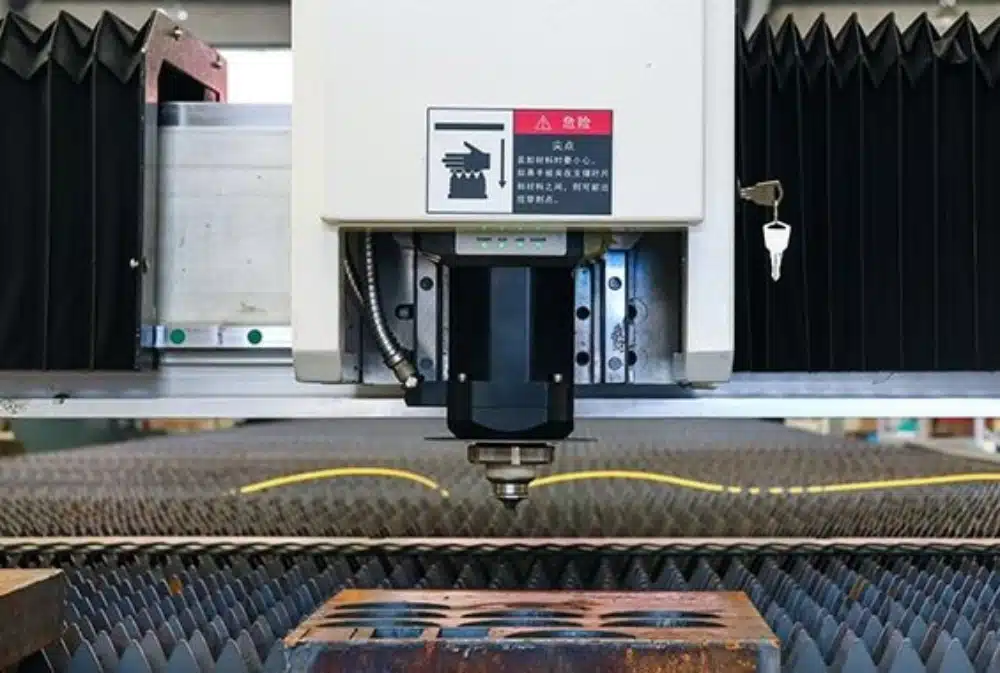
For a sheet metal shop, a fiber laser is typically the best all-round machine for cutting carbon steel, stainless steel, aluminum, brass and copper. The narrow cutting kerf, small holes and minimal heat affected zone are all key benefits when running at the optimal power, focal length, speed and with the correct assist gas. For […]
Laser Cutting vs Waterjet Cutting: Which Is Better for Metal Fabrication?
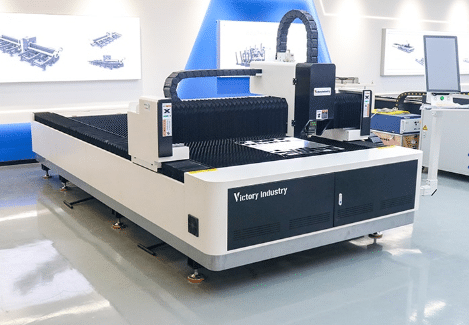
When producing high volumes of sheet-metal parts, fiber laser cutting is generally the preferred method. With high cutting speeds, narrow cutting kerf and easy automation, the process is highly efficient. However, thick sections, heat sensitive and non-metallic materials, as well as parts that cannot possess a conventional heat-affected zone, are best cut using abrasive waterjet […]
How to Optimize Fiber Laser Cutting Parameters for Carbon Steel
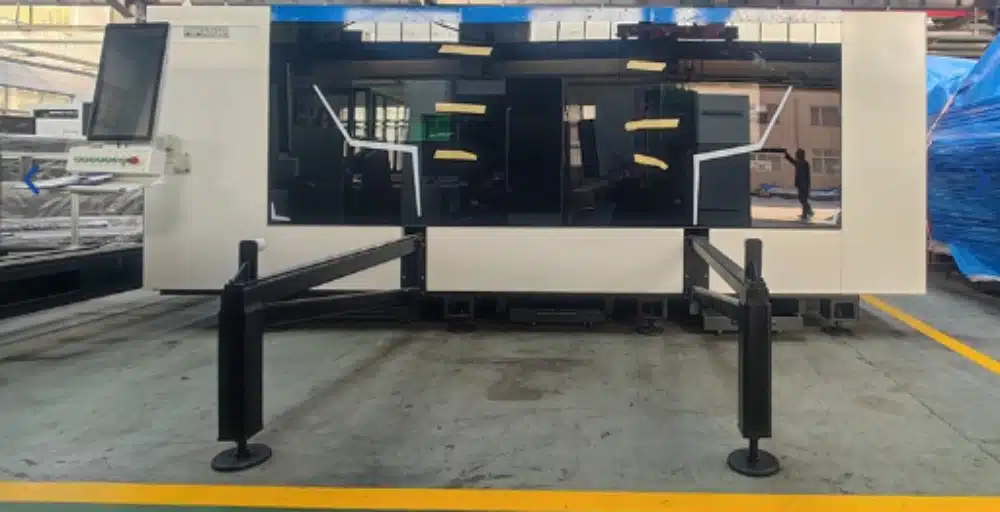
To optimize fiber laser cutting parameters for carbon steel, start with material thickness and a proven machine recipe. Balance laser power with cutting speed first, then adjust assist gas, pressure, focus position, nozzle, piercing settings, and cut height. Change one thing at a time. Check both sides of the test piece and keep the settings […]
4 Types of Industrial Laser Cutting Machines: a Buyer’s Guide
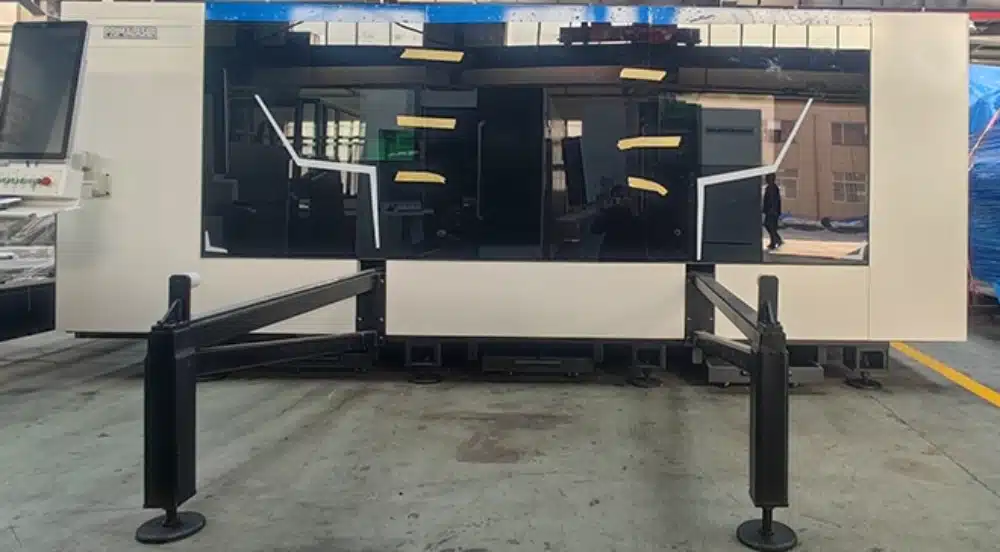
Choosing the wrong laser cutter? Compare 4 industrial laser cutting machine types by material, workpiece, power, cost, and production fit.
How Does a Fiber Laser Cutting Machine Work? 10 Core Systems Explained
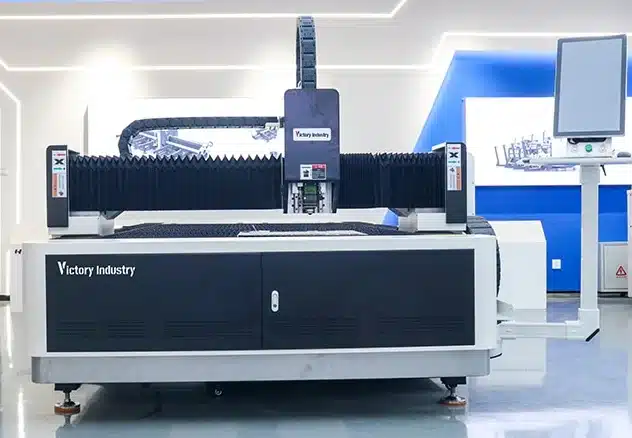
Fiber Laser Cutting Machines transform CAD drawings into finished metal parts by synchronizing CNC movement with a highly focused laser and the appropriate assist gas. Controller software reads the cutting path, servo motors are commanded to move the cutting head as required, the laser source is turned on/off as required and optical components are used […]
Electric vs Hydraulic Press Brake: Which Is Better for Your Production?
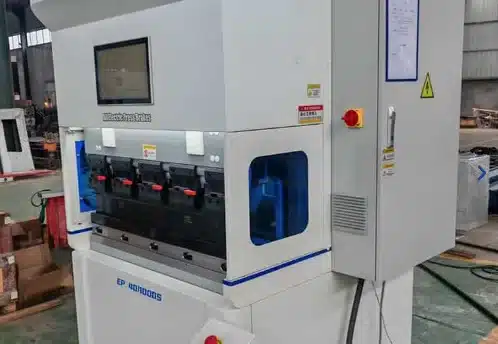
Choosing between an electric press brake and a hydraulic press brake depends on the parts you produce every day. A useful electric vs hydraulic press brake comparison must consider tonnage, working length, material strength, bend sequence, tooling, cycle profile, energy use, maintenance, and payback. This guide compares electric, hydraulic, and hybrid servo press brakes so […]