











When you plan a sheet metal line, laser power is usually the first number people talk about. Buyers ask about 3000W, 6000W, 12000W, or higher because power affects cutting speed, cutting thickness, gas use, and edge quality. That is normal. But in a real workshop, the job does not end when the sheet is cut.
The flat blank still needs bending. This is where many factories start to feel the slower side of production. The laser cutter keeps running, parts pile up beside the machine, and the bending area becomes the place where operators wait, change tools, check angles, and fix small mistakes. So after fiber laser cutter power selection, the next question is simple: can your CNC press brake after laser cutting keep up with your parts?
Victory Industry works with buyers who need laser cutting machines, CNC press brakes, laser welding, laser cleaning, MOPA laser marking, and automation support. From a factory buyer’s view, these machines should not be selected as separate items with no link between them. The better way is to look at material, thickness, drawings, bend length, output target, and service needs together. If your laser cutting plan is already clear, the next serious step is choosing a Hybrid Servo CNC Press Brake that can turn cut blanks into accurate formed parts.
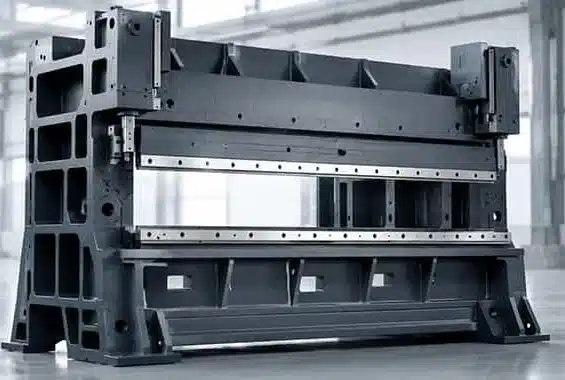
Why Laser Cutting Power Is Only the First Step
Laser power helps you cut faster and cleaner, but it does not decide whether the final part fits during assembly. A good cut edge is useful, of course. Still, if the bend angle is wrong, the part may not match the welding fixture, cabinet frame, door panel, or mounting hole position.
Laser Cutting Gives You the Shape, Not the Bend
A laser cutter gives the sheet its flat shape. A press brake gives it the final form. These two steps are tied together more closely than many new buyers first expect.
Electrical cabinets, elevator parts, brackets, kitchen equipment, machine covers, metal furniture, and equipment panels all need accurate bending. The cut part may look fine on the table. Once it moves to bending, small problems show up fast. A wrong backgauge position, poor tooling choice, uneven long bend, or springback issue can make the next process harder.
Fast Cutting Can Create a Bending Bottleneck
Higher laser power often means more cut parts per hour. That sounds good, but only if the bending station can follow. If the press brake is too slow, too basic, or not matched with the part range, the laser side may look busy while the full line still moves slowly.
This is why press brake for laser cutting line planning should happen early. You are not just buying a cutting machine and a bending machine. You are building a daily production route.
What Happens after the Sheet Is Cut?
After cutting, the part usually goes through sorting, bending, welding, marking, surface treatment, or assembly. If the bending step is unstable, every process after it has to deal with the problem.
Cut Blanks Need Stable Forming
A laser cutting machine can process stainless steel, carbon steel, aluminum, brass, copper, and other metal materials, depending on power and configuration. But once the blank leaves the cutting table, the bending requirement changes by part shape.
A thin stainless steel panel, a thick carbon steel bracket, and an aluminum cover may all come from the same cutting line. They may still need different press brake tonnage, V-die opening, tooling, and backgauge setup. This is why how to choose a CNC press brake should start from the real part list, not only from machine price.
Cutting Accuracy Should Not Be Wasted
Good laser cutting gives clean edges and tight part dimensions. Poor bending can waste that value. If the flange height is wrong or the bend angle changes across a long part, operators may need to rework, grind, clamp harder, or reject the part.
In sheet metal work, one accurate machine cannot save the full process if the next machine is not matched. The line has to make sense as a whole.
Key Parameters for CNC Press Brake Selection
This is the section many buyers should spend more time on. A press brake is not selected only by saying “I need to bend 3 mm steel.” That sentence is far too rough for a real quotation.
Material Type and Thickness
Stainless steel, carbon steel, aluminum, and galvanized steel bend differently. Stainless steel usually needs more force and has stronger springback. Carbon steel is common and easier to judge, but thickness still changes the bending load. Aluminum is lighter, yet surface marks, cracking, and bend radius need care. Galvanized steel needs suitable tooling so the coating is not badly damaged.
For CNC press brake selection, send the supplier your material type, material grade, minimum and maximum thickness, and the part you run most often. Do not only send the thickest plate if that part is rare.
Bending Length and Tonnage
Press brake tonnage and bending length selection depends on material strength, sheet thickness, bend length, V-die opening, bend angle, and bending method. A short bracket and a long cabinet panel may use the same material, but the machine demand is not the same.
Long panels need enough working length. Thick parts need enough bending force. High-strength material may need extra tonnage. If the machine is too weak, bending becomes unstable. If it is much larger than needed, the cost may rise without helping your daily parts.
A practical selection check should be based on your real production details, including material type and grade, thickness range, maximum bending length, required bend angle, V-die opening, main part drawings, daily output, accuracy requirement, backgauge axes, CNC crowning need, tooling type, safety configuration, and future automation plan. These details do not need to be perfect at the first inquiry, but the more clearly you send them, the easier it is for the supplier to judge the right tonnage, working length, control axes, tooling package, and safety setup. This is much more useful than asking for a model name at the beginning.
V-Die Opening, Tooling, and Springback
The V-die opening affects bending force, inside radius, surface result, and springback. A smaller V opening may need more force. A larger V opening may change the bend radius and final shape. Tooling also matters. Standard punches work for common bends, but deep boxes, narrow flanges, return bends, and special profiles may need gooseneck tools, radius tools, or segmented tooling.
Springback should not be ignored. Stainless steel and aluminum often need more adjustment than buyers expect. CNC control, proper tooling, operator experience, and test bends all help reduce this issue.
Backgauge Axes and CNC Crowning
A servo CNC backgauge helps position the sheet before each bend. If the backgauge is not accurate, the bend line moves, and the part changes. For multi-bend parts, this can waste a lot of time.
CNC crowning is important for long workpieces. During bending, the machine and tooling can deflect slightly. Without compensation, the middle and both ends may not hold the same angle. Servo CNC backgauge and CNC crowning are two strong long-tail terms, but more importantly, they are real buying points for factories making long panels, doors, cabinets, and elevator parts.
Why Choose a Hybrid Servo CNC Press Brake
At this stage, you are no longer asking only whether the machine can bend metal. You are asking whether it can bend the right parts, at the right speed, with repeatable results.
Hybrid Servo Hydraulic Drive for Daily Production
A traditional hydraulic press brake can provide strong force, but it may use more energy and create more heat when production changes during the day. A hybrid servo hydraulic drive keeps hydraulic forming force while using servo control to improve movement response and energy use.
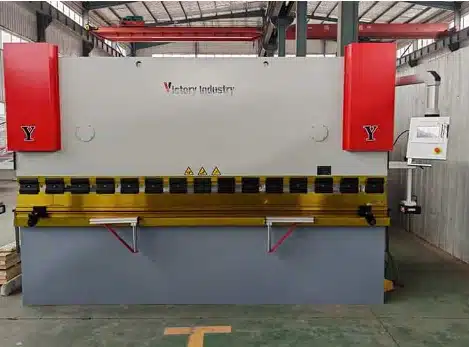
The Hybrid Servo CNC Press Brake is a suitable option when you need stable bending, good repeatability, and lower running cost compared with older hydraulic styles. For workshops that bend stainless steel, carbon steel, aluminum, galvanized steel, and medium-thickness parts, this type of machine fits many daily production needs.
High-Rigidity Frame and CNC Control
A high-rigidity frame helps reduce vibration and deflection during bending. This matters when you bend long sheets or thicker parts. If the frame is weak, angle difference can appear across the workpiece, especially on cabinet panels, doors, and structural sheet metal.
CNC control also makes repeat work easier. Operators can save programs, manage bending steps, and reduce trial adjustment. For high-mix orders, that saves time. One day you may bend cabinet panels. The next day you may bend aluminum covers, shelves, frames, or brackets. A flexible CNC press brake gives you more room to accept different jobs.
Quick Clamping and Safety Devices
Quick clamping helps when your workshop changes tools often. It does not sound exciting, but it can save real time in small-batch production. If the laser cutter is fast and the press brake needs too much setup time, the whole line slows down.
Safety devices also matter. Safety light curtain, rear safety guard, safety foot pedal, front support arms, and electrical cabinet protection should be checked before purchase. A press brake works with large force. Safety is part of productivity because operators work better when the machine is easier and safer to run.
How to Match Cutting, Bending, Welding, and Marking in One Line
A press brake sits in the middle of the production chain. It receives cut blanks and sends formed parts to welding, marking, coating, or assembly. If this step is weak, the whole line feels messy.
Protect the Value of Laser Cutting
Good laser cutting gives accurate blanks, narrow kerf, and clean edges. The bending step should keep that value. If bending is not repeatable, operators may lose the benefit gained from a better laser cutter.
This is also why buyers should not let the topic spread too wide. Fiber laser vs CNC punch press, laser cleaning, and MOPA laser marking may be useful internal links, but the main topic here should stay focused on CNC press brake after laser cutting.
Reduce Rework Before Welding
Laser welding and traditional welding both need good fit-up. If two bent parts do not meet correctly, welders may spend extra time correcting gaps. Stable bending reduces this kind of work.
For a fuller sheet metal line, you can also connect bending with laser welding machine planning. The cleaner the fit-up, the easier the welding process usually becomes.
Send the Right Information Before Quotation
Before asking for a final quote, prepare your real production details. Send material type, thickness range, maximum bending length, part drawings, daily output, accuracy requirement, current or planned laser power, and any automation idea.
A supplier can give a better answer when the information is clear. Not just “this machine is suitable,” but why this tonnage, why this working length, why this backgauge, and why this tooling setup. For installation, debugging, training, and maintenance support, check the company’s services page. For a direct plan, use the contact page and send your drawings with the basic production list.
Conclusion
After choosing laser power, do not stop the plan too early. Laser power helps you cut faster and cleaner, but the CNC press brake decides whether the flat blank becomes a usable part. If bending is slow, unstable, or mismatched, the laser cutting side cannot show its full value.
The best CNC press brake after laser cutting should be selected by real parts. Material type, thickness, bend length, tonnage, V-die opening, tooling, springback, backgauge axes, CNC crowning, safety devices, and service support all matter.
The Hybrid Servo CNC Press Brake is a practical choice for factories that need stable bending, lower energy use, repeatable results, and flexible CNC control. For sheet metal workshops cutting stainless steel, carbon steel, aluminum, and galvanized steel, it helps turn fast cutting output into accurate formed parts. The right machine is not always the largest one. It is the one that fits your drawings, your daily output, and your next process.
FAQ
Q1: How do I choose a CNC press brake after laser cutting?
A1: Start with your material type, thickness range, maximum bending length, part drawings, daily output, required accuracy, tooling needs, backgauge axes, and CNC crowning requirement.
Q2: Why does laser cutting power affect press brake selection?
A2: Higher laser power can send more cut parts to the bending area. If the press brake cannot match the output, bending becomes the bottleneck of the whole sheet metal line.
Q3: How do I calculate press brake tonnage after laser cutting?
A3: Tonnage depends on material strength, sheet thickness, bend length, V-die opening, and bend angle. For accurate selection, send real drawings and material details to the supplier.
Q4: What is the best press brake for a laser cutting production line?
A4: For many sheet metal workshops, a Hybrid Servo CNC Press Brake is a strong option because it combines hydraulic bending force, servo control, CNC programming, and stable repeatability.
Q5: Do long workpieces need CNC crowning?
A5: Yes, long bends can have angle differences between the center and the ends. CNC crowning helps compensate for machine deflection and keeps bending angles more consistent.
Q6: What information should I send before requesting a press brake quote?
A6: Send material type, sheet thickness, maximum bending length, part drawings, daily output, accuracy needs, tooling requirements, safety needs, existing laser power, and future automation plans.
Q7: Can one CNC press brake support cutting, welding, and marking workflow?
A7: Yes. A stable CNC press brake helps produce accurate formed parts, which improves fit-up before welding and keeps part shape more consistent before MOPA laser marking or final assembly.