


KM is a metalwork company making decorative balcony railings, metal screens for restaurants and cafés as well as making custom gates in Zimbabwe. The work includes repeat pattern work as well as one-off designs. The joints are often visible, so rough cuts or welds can mean extra finishing before a piece leaves the workshop.
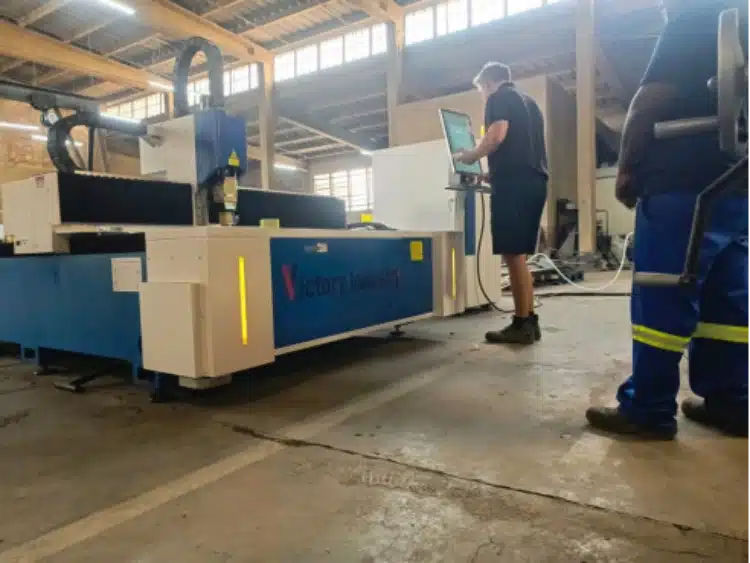
In September 2026, KM put a 12KW fiber laser cutting machine from VICTORY INDUSTRY into production. KM had bought a 3KW handheld laser welding machine in 2024 and visited three equipment factories in China in 2025. The new cutter was selected with regular 4–8 mm carbon steel, possible 20–30 mm plate jobs, local gas supply and on-site support in mind.
KM’s Metal Fabrication Work and Cutting Challenges
Cutting 4–8 mm Carbon Steel
A lot of KM’s everyday cutting involves 4–8 mm carbon steel. The current 3KW fiber laser at the shop is operating in the oxygen-assisted cutting mode. Due to location of the shop, the purity of the local oxygen supply can vary from order to order and resulting cut edge quality is not always consistent. Industrial oxygen also cost enough to matter when pricing and planning work.
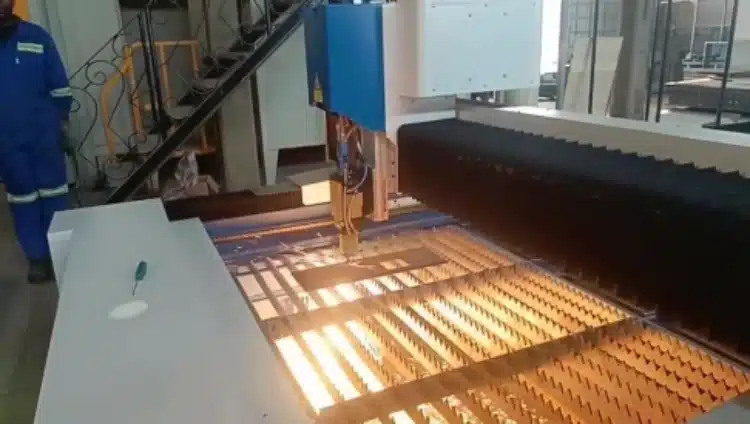
More laser power does not clean up poor gas. Steel grade, plate surface, speed, nozzle condition, focus and gas pressure still affect the edge. For buyers dealing with similar problems, these fiber laser cutting parameters for carbon steel are worth checking before blaming the machine’s wattage.
Planning for 20–30 mm Plate Work
KM also wanted to look at jobs using 20–30 mm plate. Its older setup was not a good fit for that thickness range, making some requests difficult to quote with confidence. A more powerful cutter gave the shop another option, but that is different from saying every thick-plate job has already been cut successfully.
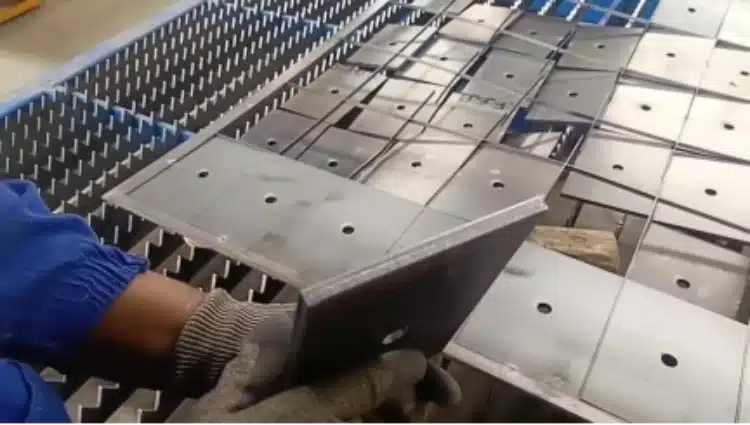
The right power depends on what comes through the workshop most often, not just the thickest plate a supplier lists. Gas costs and the finish expected by the customer matter too. This fiber laser power guide explains how to compare power with daily cutting work.
From a 3KW Handheld Laser Welder to a Trusted Supplier Relationship
The First Purchase in 2024
KM first ordered a 3KW handheld laser welding machine from VICTORY INDUSTRY in August 2024. Welding is a regular part of making railings, screens and gates, and the look of a joint matters when the finished metalwork will be seen up close.
By ordering this equipment and learning how to use it, as well as dealing with the supplier overseas, KM had a good relationship with this supplier when considering a new cutter. However, other factors such as cutting capability, price, how it would be installed, and after-sales support also had to make sense.
Factory Visits in China in 2025
KM visited the VICTORY INDUSTRY steel factory in China, and two other Chinese steel factories, in 2025 to discuss typical steel thicknesses, the heavier work that the team wanted to win, the issue of oxygen supply to the cutting tool in Zimbabwe, and the issues that would arise after the tool had arrived.
Being at the factories also made it easier to compare proposals and ask about the equipment and service included in each offer. KM eventually chose VICTORY INDUSTRY. Its earlier welder purchase helped, but the machine and support arrangements were central to the decision.
Why KM Selected a 12KW Dual-Worktable Fiber Laser Cutting Machine
The Installed VT-3015 Configuration
KM chose a VT-3015 dual-worktable fiber laser cutting machine with a 12 kW source. The nominal working area is 3,000 × 1,500 mm. The main equipment details are listed below, including the cutting head, controller and electrical requirements.
| Item | Specification |
| Machine Model | VT-3015 |
| Machine Type | Dual-Worktable Fiber Laser Cutting Machine |
| Working Area | 3,000 × 1,500 mm (Nominal) |
| Laser Power | 12 kW |
| Laser Source | MAX Photonics MFSC-12000M-ELW6.1C |
| Laser Cutting Head | BOCHU / BOCI BLT442 (M=2.0) |
| CNC Control System | BOCHU FSCUT6000E |
| Assist Gas System | Compatible with Oxygen (O₂), Nitrogen (N₂), and Compressed Air |
| Rated Voltage | 380 V |
| Total Rated Power | 70 kW |
| Installation Location | Zimbabwe |
| Commissioning Date | September 2026 |
| Technical Services | On-site Installation, Commissioning, and Operator Training |
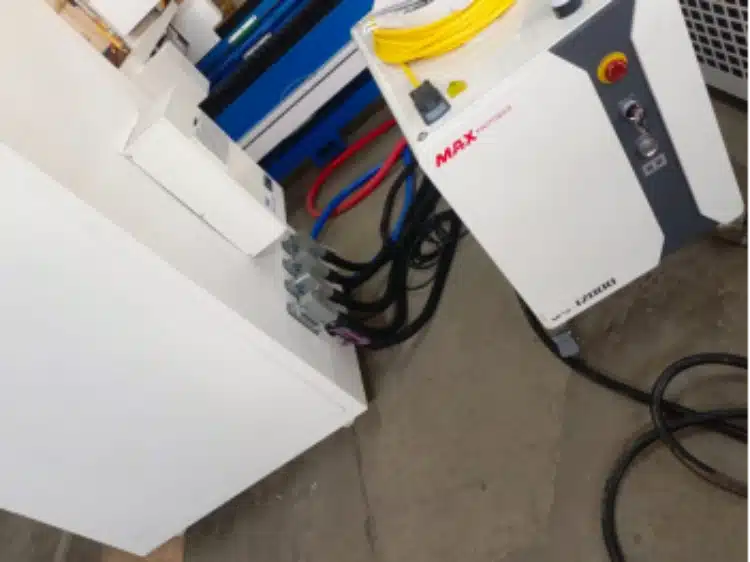
The assist-gas system is compatible with oxygen, nitrogen and compressed air. That describes the machine’s gas options; it does not mean KM uses all three in daily production. Actual gas choice still needs to suit the steel, the required edge and the local supply.
Match Cutting Power With Gas and Settings
The 12KW rating gives KM more cutting capacity to work with than its older 3KW cutter. It does not guarantee a particular speed or edge quality on every 20–30 mm plate. Steel grade, surface condition, gas and process settings can change the result.
Oxygen can remain suitable for thicker carbon steel, while nitrogen or compressed air may be options for thinner work. They produce different edge finishes and have different running costs. Test pieces using the intended material are more useful than guessing from the power rating.
How Two Worktables Fit Daily Production
The dual-worktable setup allows one table to be loaded or unloaded while cutting continues on the other. In a shop handling mixed patterns, that can reduce waiting between sheets if the next job is ready.
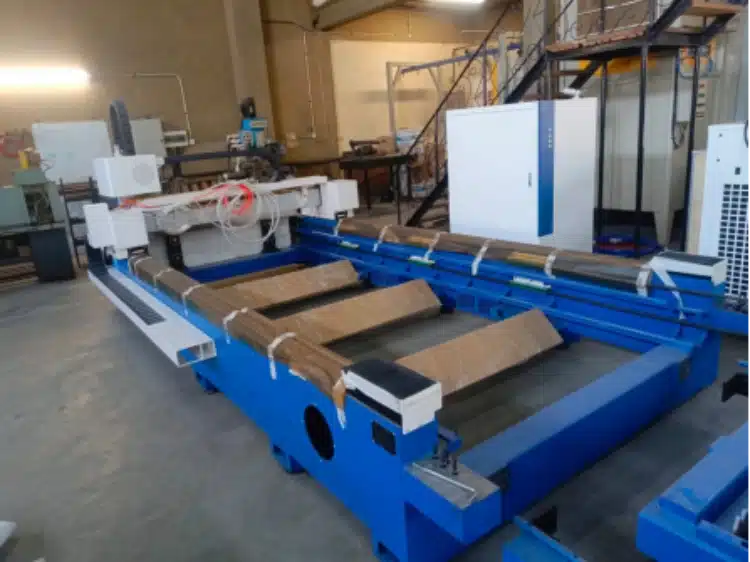
The table change cannot make up for slow loading, unfinished nesting or a long program setup. KM works on repeated decorative shapes as well as custom orders, so planning the next sheet and clearing the previous one still makes a difference. Buyers can also compare other sheet laser cutting machines when deciding which layout fits their workshop.
On-Site Installation and Operator Training in Zimbabwe
In September 2026, a VICTORY INDUSTRY engineer went to KM’s workshop in Zimbabwe for installation, commissioning and operator training. The operators were introduced to the cutter on site, where they would use it for customer work. The machine has since entered production.
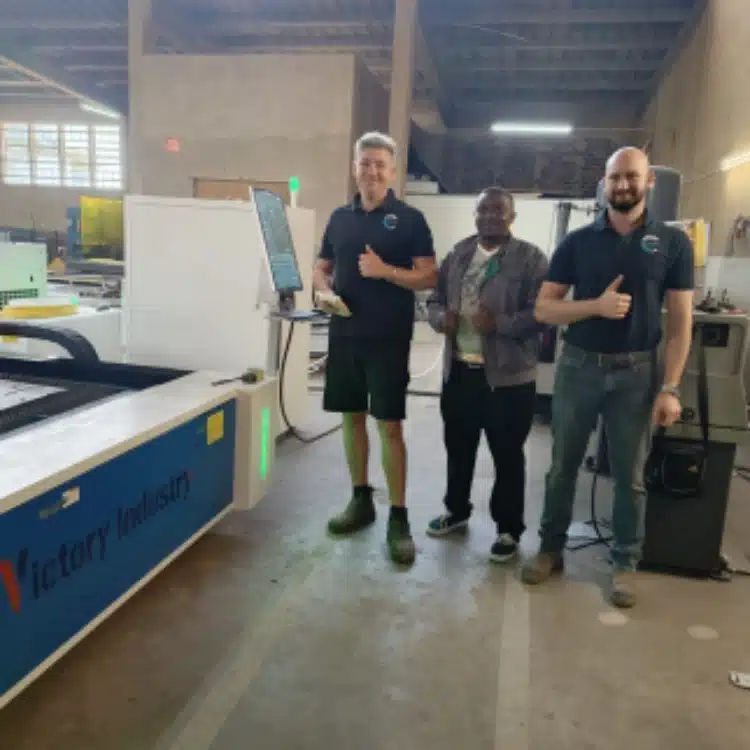
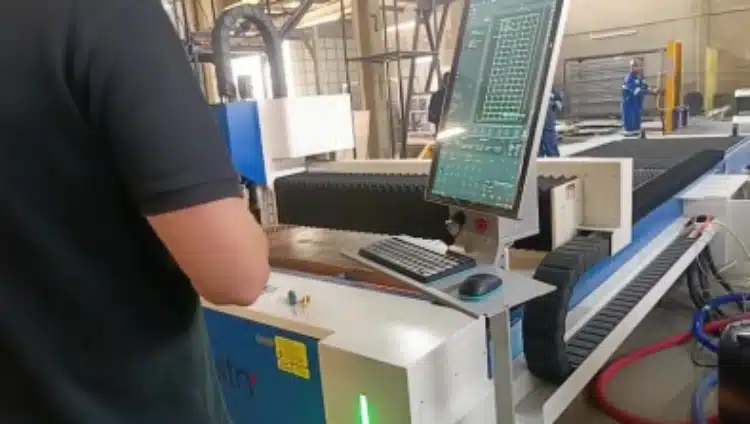
Setting up the machine is only part of the job. Operators also need to know the cutting controls, basic checks, safety steps and routine care. Buyers arranging a similar project can discuss installation, commissioning and training alongside the machine order.
What This Project Shows About Laser Cutter Selection
KM needed a cutter for its regular 4–8 mm carbon steel and wanted to consider thicker plates later. Oxygen quality and cost were part of the decision because those issues affect everyday work in Zimbabwe. So were the worktable arrangement and having an engineer available for commissioning and training.
The installation confirms the machine was delivered and put into use. It does not, on its own, prove lower gas consumption, less rework or faster cutting than before. Those comparisons need sample parts, recorded settings and consistent conditions. For similar purchases, it is sensible to agree on the cutting tests before making performance claims.
Conclusion
KM first bought a 3KW handheld laser welding machine from VICTORY INDUSTRY in 2024. The team then visited suppliers in China in 2025 and brought a 12KW dual-worktable fiber laser cutter into production in Zimbabwe in September 2026. The decision followed the jobs the workshop was doing and the work it hoped to add.
If you are planning a similar project, send your material grades, usual and maximum thicknesses, sheet sizes, edge requirements, available assist gas and sample drawings to VICTORY INDUSTRY. Those details make it easier to discuss a machine configuration that fits the work.
FAQ
Q1: Why Did KM Look for a Higher-Power Fiber Laser Cutting Machine?
KM wanted more flexibility than its existing 3KW cutter offered. Its everyday work included 4–8 mm carbon steel, and it hoped to consider 20–30 mm plate requests. The 12KW machine adds capacity, but job results still need testing.
Q2: Does a 12KW Fiber Laser Cutting Machine Eliminate the Need for Oxygen?
No. The VT-3015 assist-gas system supports oxygen, nitrogen and compressed air, but the right gas depends on thickness, steel grade, finish and available supply. Some thicker carbon steel cuts may still need oxygen.
Q3: Can a 12KW Machine Cut Every 20–30 mm Carbon Steel Job?
Not automatically. Thickness alone does not tell you whether speed, edge quality and cost will meet the job requirements. The steel, gas setup and actual cutting conditions must be checked with a sample.