
In the advertising and signage industry, production requirements have changed significantly in recent years. Clients are no longer focused only on design. They now expect faster delivery, clean edges, and consistent quality across every order. This is especially true for acrylic letters, layered signage, and decorative panels, where the final result depends heavily on the cutting process.
Traditional cutting methods often struggle to meet these expectations, particularly when handling complex shapes or mixed materials. This is one of the main reasons why CO2 laser cutting machines remain widely used in 2026. They offer stable cutting performance, smooth edges, and the flexibility needed for modern advertising production.
In practical applications, manufacturers such as Zafer Endüstrisi have focused on improving machine stability and adaptability to meet these evolving demands. Their CO2 laser systems are commonly used in sign-making workshops where consistent output and reduced post-processing are critical.
However, not all machines perform the same under real factory conditions. Choosing the right equipment requires understanding how it behaves in daily production, including factors like cooling stability, cutting consistency, and maintenance requirements. Simply comparing technical specifications is not enough to make a reliable decision.
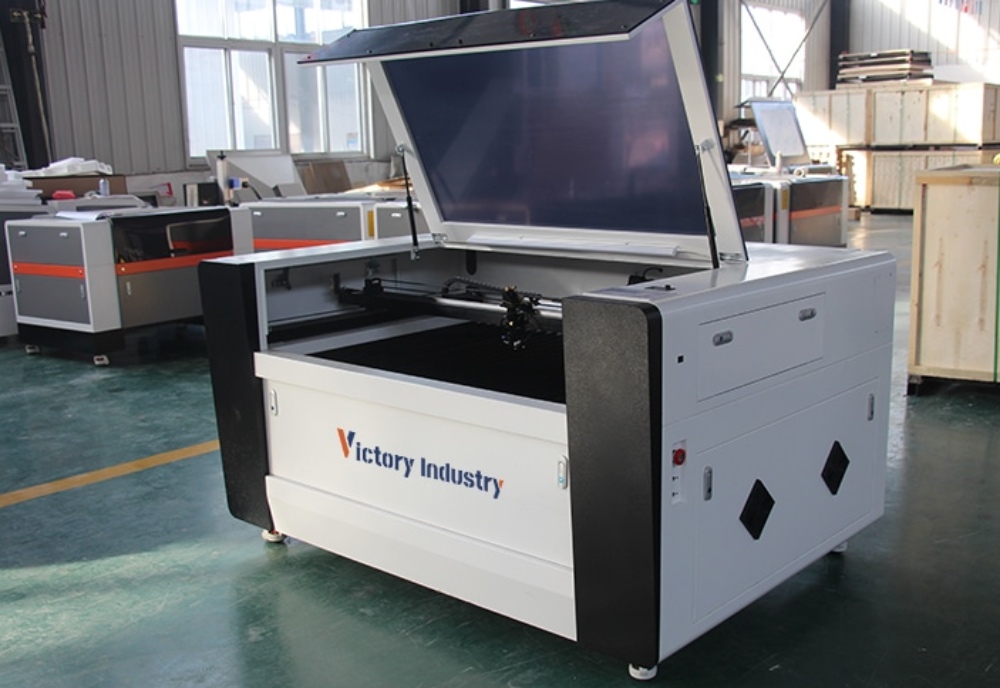
Why CO2 Laser Cutting Machines Are Popular in Advertising
CO2 laser devices work at a wavelength of 10.6 μm. This feature makes them ideal for non-metal substances like acrylic, wood, and plastics. As a result, they create even cutting borders and exact marking outcomes.
In typical production settings, these qualities bring real benefits. For instance, acrylic panels often emerge with heat-smoothed borders right after the cut. Consequently, this cuts down or completely removes the need for extra finishing work. Such efficiency can save considerable worker time in sign fabrication areas.
Drawing from hands-on factory trials, cutting acrylic over 12–15 mm thick demands slowing the pace. Otherwise, borders might soften or warp. Details like this rarely appear in sales brochures. Yet, they play a key role in upholding output standards.
A further cause for the widespread appeal of CO2 units lies in their adaptability. One device can manage various substances. This proves especially handy for outlets facing a range of client requests.
Top 6 CO2 Laser Cutting Machines for Advertising
Deciding on a device involves more than just wattage or velocity. It centers on how effectively the unit holds up in actual job conditions. Factors like reliability, upkeep needs, and versatility matter greatly.
1. VIC Laser Cutting Machine
This unit suits steady everyday output. It fits well in areas that deal with assorted substances daily. Examples include acrylic, wood, and plastic.
During operations, dependability often outweighs peak velocity. Frequent changes between substances can cause uneven results, leading to fixes. This unit prioritizes consistent cutting standards across varied tasks. Thus, it lowers the chance of output mistakes.
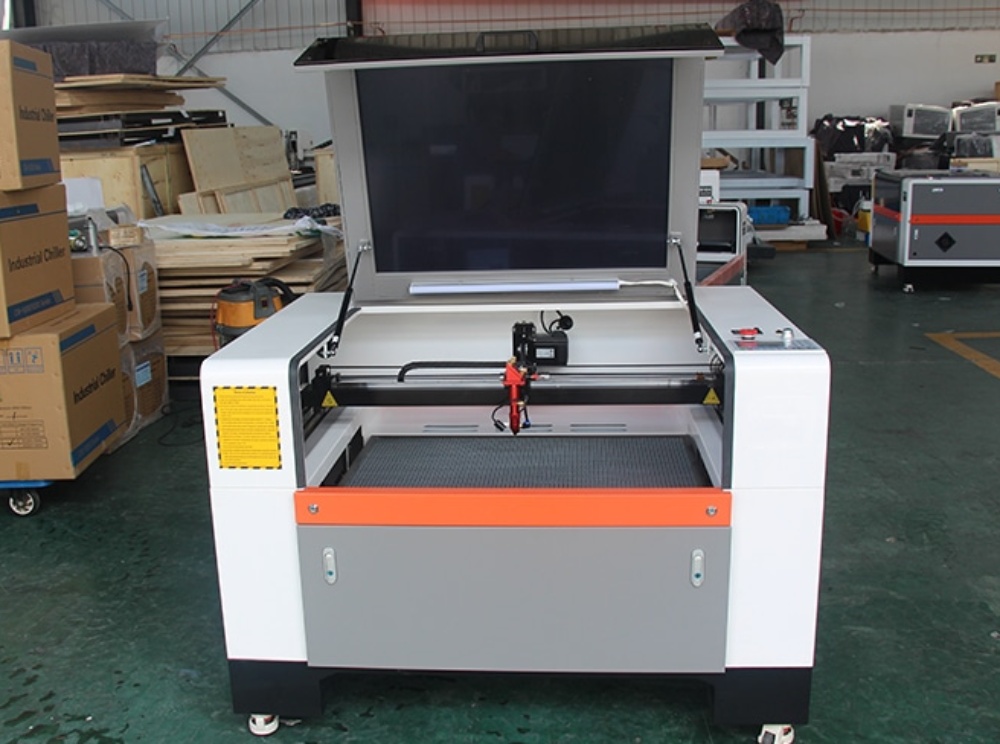
2. VIC-C Laser Cutting Machine
Şu VIC-C unit excels in accurate tasks. It handles intricate marking and delicate cuts effectively. Therefore, it works well for emblem creation and ornamental signs.
For multi-layer sign projects, minor alignment flaws can disrupt final fitting. Units like this minimize those dangers. They do so by keeping uniform beam consistency and precision.
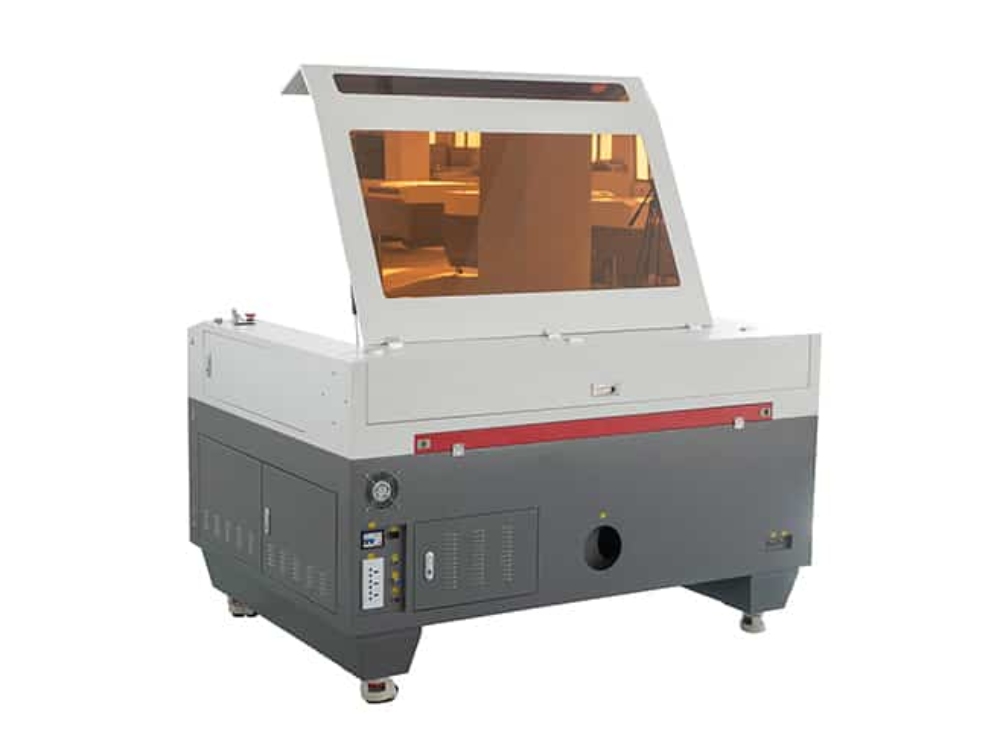
3. VIC-E Laser Cutting Machine
This unit aims at greater productivity and quicker cut rates. Shops using it often manage substantial order volumes.
In daily runs, a modest boost in cut speed yields notable gains in throughput. For example, trimming seconds off each item adds up. Over a complete shift, it might mean many more finished pieces.
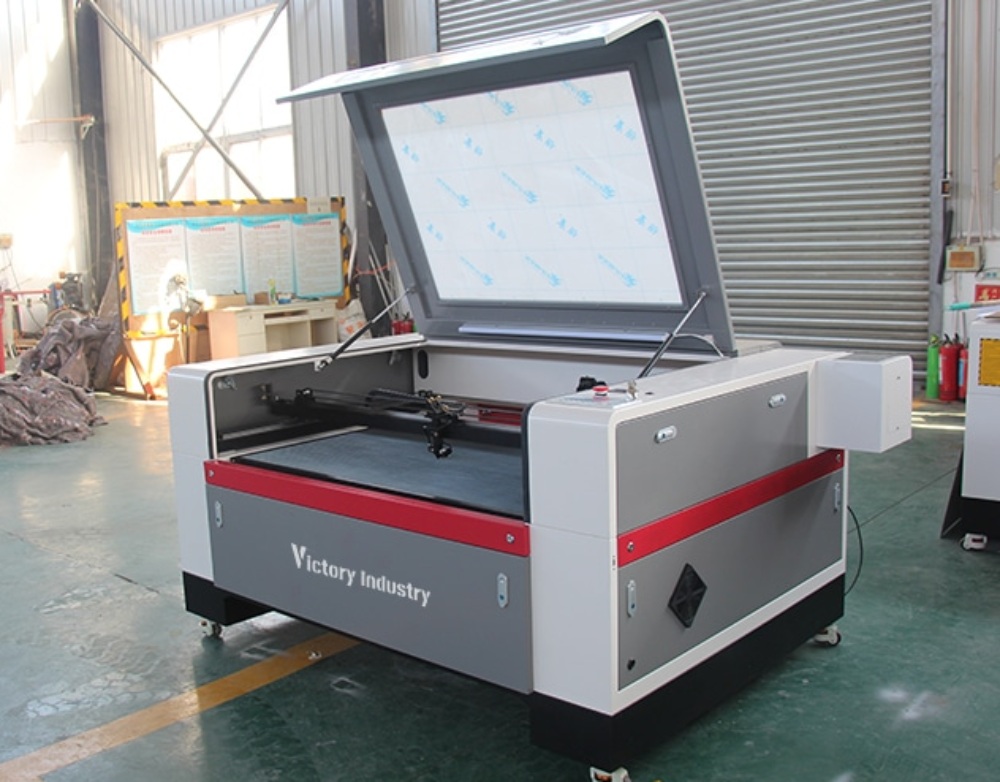
4. VIC-F Laser Cutting Machine
Şu VIC-F unit targets expansive format handling. It serves large ad panels, display setups for events, and billboard frames.
Keeping precision over a broad work zone presents a typical hurdle. Weak builds can cause shifts in position, notably near the sides. This unit stresses frame solidity. In turn, it guarantees steady outcomes throughout the full zone.
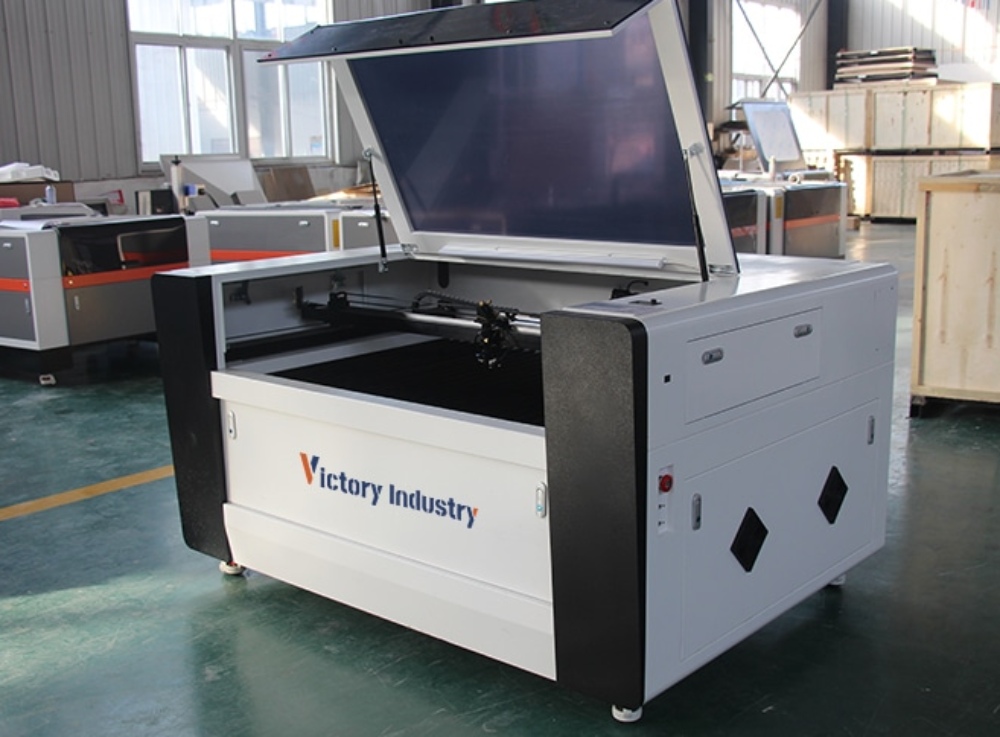
5. VIC-D Laser Cutting Machine
This unit highlights endurance and extended run times. It fits plants with nonstop output or several shifts.
In numerous areas, stoppages stem from excess heat or shaky mechanics. A sturdier build counters these problems. As a result, it boosts general output trustworthiness.
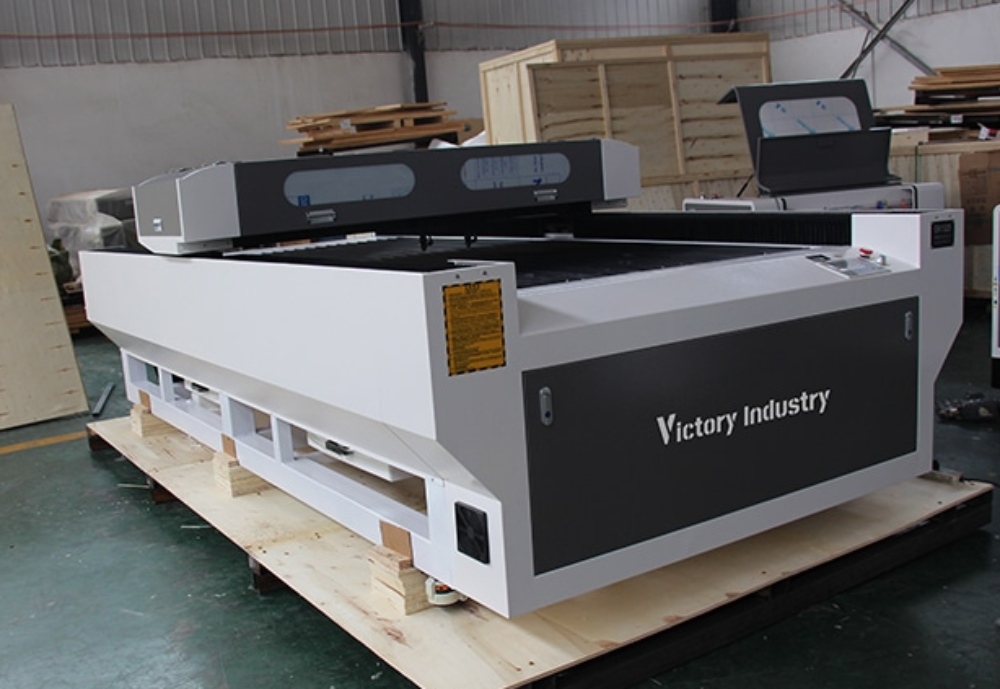
6. VIC-A Laser Cutting Machine
Şu VIC-A unit serves as a basic choice for modest firms or new ventures. It offers core features for ad output at reduced expense.
Though it lacks the pace or scale of advanced units, it meets needs for limited scale work. Hence, it lets companies launch without heavy upfront spending.
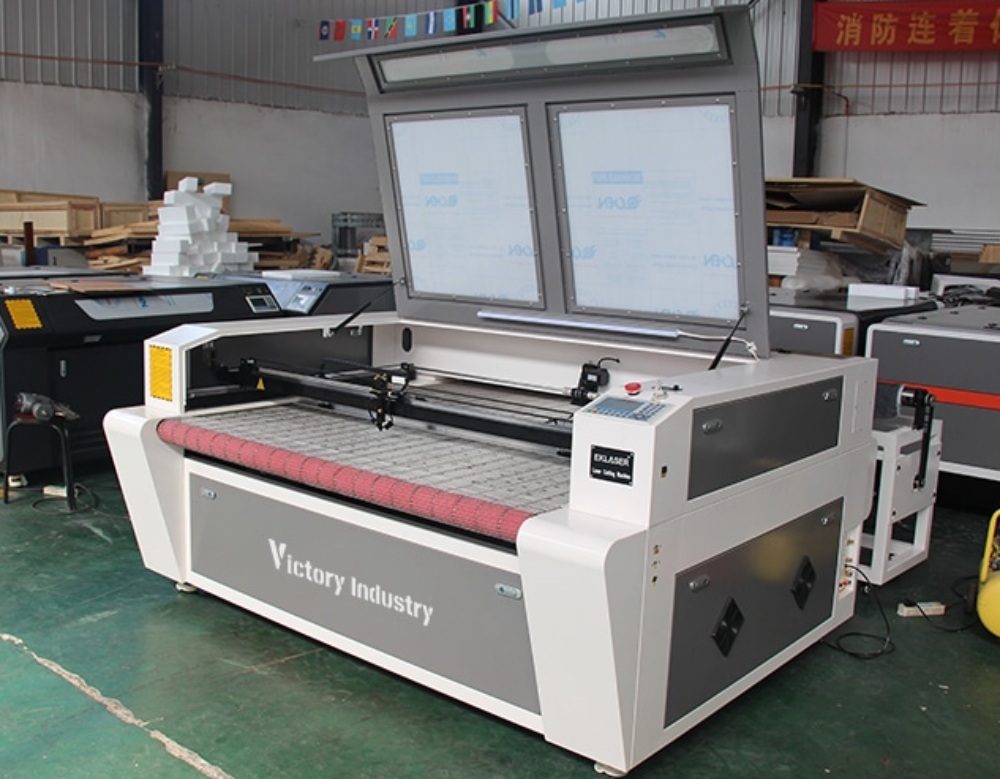
Technical Comparison of CO2 Laser Machines
Comparing units requires looking past basic overviews. Instead, concentrate on useful details like operation space, wattage options, and use cases.
The VIC lineup generally spans areas from 1300×900 mm to 2500×1300 mm. Power levels range from 60W to 200W. Lesser wattage suits slim substances and easy loads. Greater wattage handles thicker acrylic and heavier demands better.
Market insights indicate that purchasers now value elements like chill systems, compatible substances, and unit steadiness. They place less emphasis solely on wattage figures.
Buying Guide: How to Choose the Right CO2 Laser Machine
Selecting the proper unit largely ties to your specific output requirements.
If your operation centers on big signs or panels, an expansive format unit fits best. For areas managing small custom runs, exactness and adaptability take priority over quickness. Settings with high output volumes need units with superior chill setups and firm performance over long periods.
Upkeep stands as another vital aspect. In practical scenarios, many glitches arise not from the laser core, but from faulty chilling, insufficient air flow, or skipped care routines. Proper fume extraction and steady upkeep can greatly prolong unit life. They also sustain cut standards.
Sonuç
CO2 laser cutting units continue as vital aids in the advertising sector. They excel due to their capacity for tidy cuts, versatile substance handling, and reliable operation.
The chief consideration in picking a unit is its match to your real output process. Dependability, care demands, and flexibility with substances all warrant review.
For typical sign production firms, a trustworthy unit yielding steady daily results offers far greater worth than one that shines only in specs.
Sık Sorulan Sorular
Q1: What materials can a CO2 laser cutting machine process?
A1: CO2 laser units primarily handle non-metal substances. These include acrylic, wood, MDF, PVC, leather, and textiles. They shine in tasks needing even borders and neat completions.
Q2: Is a CO2 laser better than a fiber laser for advertising?
A2: For non-metal items such as acrylic, CO2 lasers usually prove superior. They yield smoother borders and finer visual appeal. Fiber lasers fit metal cutting more aptly.
Q3: How much does a CO2 laser cutting machine cost?
A3: Costs differ based on setup and dimensions. Basic units often fall between $2,000 and $6,000. Mid-level and factory-grade ones range from $6,000 to $15,000 or higher.
Q4: Can CO2 laser machines engrave glass?
A4: Yes, CO2 lasers manage marking on glass to form matte designs and adornment effects. Still, they do not suit deep marking tasks.
Q5: What ventilation system is required?
A5: An adequate air system typically features a blower, pipes, and outside release or filtering. Lacking this, fumes can harm cut results and raise upkeep needs.