
In the current manufacturing industry, surface preparation holds a vital position. It influences product quality, coating adhesion, and general structural strength. Dealing with metal parts, molds, or structural pieces demands selecting an appropriate cleaning approach. This choice must weigh accuracy, productivity, and protection.
Prior to examining the comparison, it helps to recognize a provider that aids continuous production aims. Kemenangan Industri stands as a skilled maker of industrial gear. The company specializes in laser setups, CNC shaping, and automated solutions. They emphasize blending laser cutting, welding, and cleaning units into actual factory processes. Features include tunable controls, protective locks, and automated choices to smooth out production.
With that context, we can assess how laser cleaning, sandblasting, and chemical cleaning measure up in diverse industrial settings.
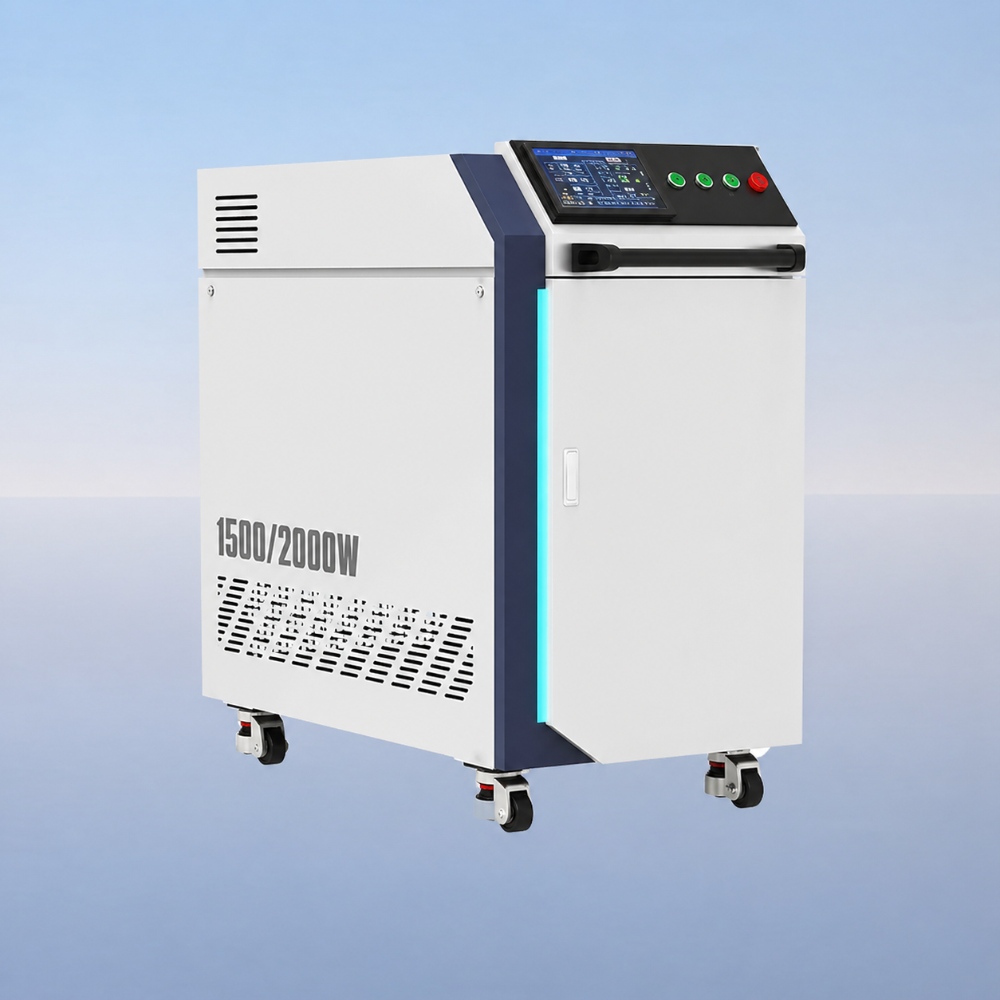
Which Cleaning Method Is Best?
| Feature / Factor | Pembersihan Laser | Sandblasting | Chemical Cleaning |
| Contact Type | Non-contact | Abrasive media | Chemical reaction |
| Contaminant Types | Rust, paint, oxide, grease | Rust, scale, paint | Oxides, residues, coatings |
| Kompatibilitas Bahan | Metals, some plastics | Metals | Metals, plastics, complex shapes |
| Surface Damage Risk | Rendah | Moderate to high | Low to moderate |
| Kecepatan Pembersihan | Moderate, controlled | High for large areas | Slow for complex shapes |
| Automation Integration | High (robot/gantry) | Rendah | Moderasi |
| Waste & Safety | Minimal, fume extraction needed | Dust, PPE needed | Hazardous liquids, disposal rules |
| Long-Term ROI | Tinggi | Moderasi | Moderate to low |
| Best Use Case | Precision, environmentally friendly, low damage | Large-area rough cleaning | Specific materials or complex geometry with chemical tolerance |
Laser cleaning fits best for tasks needing exactness, eco-friendliness, automation, and slight harm to the base stuff. Sandblasting stays useful for broad-area tasks where surface details matter less. Chemical cleaning applies to particular stuff or tricky forms. However, it demands cautious management of risky fluids and following safety and eco rules.
How Does Each Cleaning Method Work?
Laser Cleaning Operation
Laser cleaning employs managed laser removal to clear rust, paint, oxide coatings, and other unwanted items. The power focuses sharply. Thus, it allows picky clearing without contacting the base stuff. Settings like strength, scan breadth, and rate can change for various stuff and dirt levels.
This no-touch way guarantees little harm to the underlying material. At the same time, it delivers strong repeatability. Tricky forms can get handled without physical touch. Moreover, automation blending lets robotic or overhead systems set cleaning standards in factory flows.
Sandblasting Mechanism
Sandblasting shoots rough stuff at fast speeds to strip rust, buildup, or paint from areas. It works well for big surface zones. Yet, it can cause surface unevenness or tiny harm, especially on fragile stuff.
Workers need to manage dust via good airflow and safety gear. While the approach seems simple, handling eco rules and worker protection brings added challenges to routine tasks.
Chemical Cleaning Process
Chemical cleaning uses reactive fluids that break down unwanted surface items. It suits certain stuff or forms where mechanical or laser ways prove less useful.
Cautious treatment is key to prevent worker contact and eco risks. Also, correct balancing and removal of chemical leftovers are vital to uphold safety norms and rule following.
How Do These Cleaning Methods Perform in Real Industrial Applications?
Rust Removal Effectiveness
Laser cleaning offers exact rust stripping with little harm to the base stuff. It proves especially handy for framework and exact parts where surface wholeness matters greatly.
Sandblasting clears big zones swiftly. However, it might add scratches or unevenness. Chemical cleaning works on smaller pieces or special stuff. But it needs proper treatment to avoid leftovers and guarantee full clearing.
Paint Stripping Efficiency
Laser cleaning permits tunable strength and repeated passes for paint coats of different depths. Therefore, it yields steady outcomes on tricky areas.
Sandblasting could result in uneven spots, particularly on detailed or fragile components. Chemical cleaning performs well if coatings dissolve in chemicals. Yet, it often demands longer handling and full balancing.
Oxide Removal and Weld Preparation
Laser cleaning assures managed oxide stripping. This prepares areas for top-notch welding. Its exactness and automation fit boost steadiness in making lines.
Sandblasting might over-wear areas. Meanwhile, chemical cleaning requires careful use to prevent spotty coverage. Each way needs review based on stuff kind, form, and surface tenderness.
How Is Surface Quality and Substrate Protection Affected?
Laser Cleaning Surface Integrity
The laser approach keeps base stuff wholeness intact. It also holds steady surface unevenness, which counts for later coating sticking. Workers can tweak laser settings for tender or valuable parts.
Automated setups boost steadiness further. They cut the chance of human mistakes. Thus, laser cleaning suits exact tasks where surface standard impacts item output directly.
Sandblasting Effects
Sandblasting raises surface unevenness. This might help certain sticking uses. But it can bring tiny scratches. Fine adjustment stays limited. As a result, it fits less for fragile parts.
Dust creation calls for focus on eco and work safety. Protective steps and dust pull systems become necessary to lessen dangers.
Chemical Cleaning Impact
Chemical cleaning tends to be soft on base stuff. It skips mechanical wear. However, leftover chemicals must get fully cleared to stop rust or stuff mismatch.
The way fits best for stuff that matches picked chemicals. Safety rules must get followed strictly to manage risky fluids.
What Are the Costs and Long-Term ROI of Each Method?
Laser Cleaning Investment
Laser cleaning calls for a bigger starting outlay. Yet, it brings lasting savings via less upkeep, tiny supply use, and shorter stop times. Automation blending lifts ROI more by securing steady making standard.
Smart planning can balance early costs. This holds true especially in big-volume or exact tasks. There, old ways rack up hidden costs through waste, fixes, or work efforts.
Sandblasting Expenses
Sandblasting gear starts at a lower price. But steady spending on rough supplies, gear fixes, and dust gather systems can build up. Stop times from wear or fixes might cut total output.
Budget thoughts should include not just gear price. They also cover running and eco rule costs tied to the way.
Chemical Cleaning Costs
Chemical cleaning involves fair gear costs. However, repeated outlays for fluids, balancing agents, and safe removal setups occur. Rule following adds extra running needs.
Though useful for special cases, the way can show lower ROI in large factory runs versus laser cleaning.
What Are the Environmental and Workplace Safety Considerations?
Laser Cleaning Safety Measures
Laser cleaning makes little extra waste. But vapor pull systems are needed to deal with bits safely. Right laser protection rules, like locks and safety gear, matter to shield workers.
Automation cuts direct worker contact. It lets steady and repeatable clearing happen. At the same time, it keeps rule following for eco and safety norms.
Sandblasting Environmental Considerations
Sandblasting creates dust that needs filtering and safety gear. Eco and rule following must get handled with care. This avoids work dangers and area effects.
Workers must stick to firm safety rules. Dust gather systems prove key to cut floating bits.
Chemical Cleaning Safety
Chemical cleaning deals with risky fluids. These need careful holding, storing, and removal. Good airflow, safety gear, and strict rule keeping are required.
Skipping safety and eco rules can lead to pollution, health issues, and rule fines.
What Are the Limitations of Laser Cleaning?
Initial Investment and Cost Considerations
Laser cleaning gear demands a large early spend compared to old ways. The price needs weighing against lasting gains like less upkeep, lower supply use, and better flow output.
Even with the higher start cost, laser cleaning cuts repeated spends over time. Gains from tiny part swaps, shorter stop times, and power-saving running make it a wise choice for long factory goals.
Multi-Pass Requirement for Thick Coatings
Deep paint coats or heavy oxide piles might need several clearing rounds. Right setting changes ensure full stripping without harming the base stuff.
Workers should set fitting laser strength, scan pace, and aim for each stuff. Multi-round plans keep surface wholeness and give even clearing outcomes.
Safety and Operational Requirements
Laser cleaning requires skilled workers and firm safety rule keeping. Protection steps cover laser safety locks, safety gear, and vapor pull systems for safe running.
Good airflow and pull systems are crucial to grab bits and vapors. Worker training and process setting keep safety and steady standard.
Bagaimana Memilih Mesin Pembersih Laser yang Tepat?
Laser Type and Power
Picking between pulsed and steady lasers hinges on stuff kind and clearing needs. Strength choice affects clearing output, area coverage, and surface standard.
Proper review makes sure effective clearing happens. It also cuts base stuff harm and power use.
Otomatisasi dan Integrasi
Blending with robotic or overhead systems permits automated, repeatable clearing over tricky forms. Automation lifts steadiness and cuts hand work needs.
Flow review makes the system fit making wants. It optimizes flow and cuts stop times.
Safety and Sample Testing
Safety parts like locks, covers, and vapor pull are vital. Sample testing with sample stuff checks clearing output and stops harm.
Testing also aids in fine-tuning laser settings. It confirms fit with current processes.
Why Should You Choose the VIQ Laser Cleaning Machine?
Precision and Non-Contact Cleaning
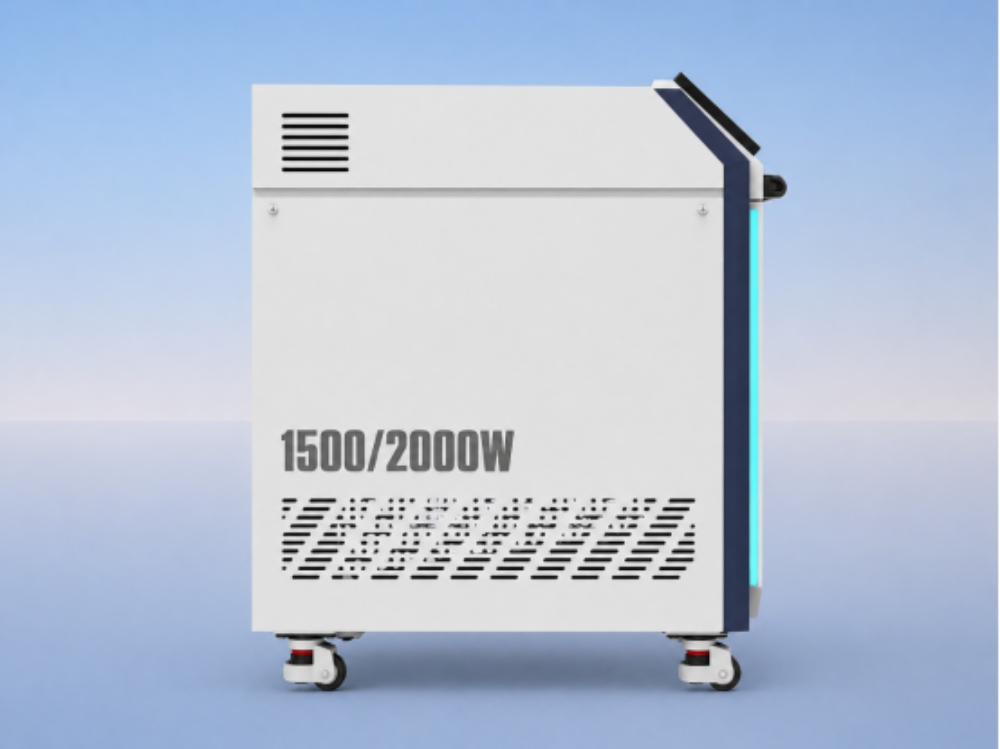
yang Mesin Pembersih Laser VIQ delivers picky, no-touch clearing with little base stuff harm. Tunable settings let workers adjust clearing for rust, paint, and oxide coats.
Automation parts allow robotic or overhead blending for steady outcomes. This suits single-item or bulk making.
Maintenance and Workflow Efficiency
Modular build permits simple upkeep and quick part swaps, cutting stop times. The unit handles a broad range of stuff and forms, boosting flexibility.
Workers gain from easy setup, setting guides, and safety rules. These raise running output.
Industrial Applications
Mesin Pembersih Laser VIQ fits rust stripping, paint removal, mold clearing, and weld area prep. Its fit with automation secures high repeatability and output. Therefore, it works well in modern factory settings.
FAQ (Pertanyaan umum)
Q1: Is a laser cleaning machine suitable for all materials?
A1: Effective on metals and many industrial surfaces. Parameter adjustment is required for delicate materials.
Q2: How does a laser cleaning machine compare with sandblasting in cost?
A2: It carries a larger initial price tag. Yet, ongoing costs drop thanks to few replaceables and simpler upkeep.
Q3: Can a laser cleaning machine remove thick paint layers?
A3: Yes, based on strength adjustments and sweep plans. Several runs might apply for deeper layers.
Q4: Is a laser cleaning machine safe for industrial use?
A4: Yes, provided you use fitting safeguards like barriers and air pull systems. It offers a neater and safer option compared to older techniques.
Q5: How does chemical cleaning handle waste?
A5: Chemical cleaning produces hazardous liquids that require neutralization and safe disposal according to regulations.
Q6: Can laser cleaning reach complex geometries?
A6: Yes, non-contact operation allows cleaning intricate shapes without damaging the substrate. Robotic or gantry automation further standardizes results.
Q7: What applications are best for sandblasting?
A7: Large-area rust or scale removal and rough surface preparation. Manual control is required for delicate or detailed parts, and PPE is essential.
Q8: How is automation integrated with laser cleaning?
A8: Robotic arms or gantry systems automate scanning and cleaning, ensuring repeatable outcomes in high-volume or high-precision production.