
Choosing the right laser cutter or marker is not just about buying equipment. It directly affects production efficiency, product quality, and long-term operating costs. Many buyers focus only on the initial price, but later face issues such as unstable cutting quality, frequent maintenance, and limited scalability. A better approach is to evaluate machines based on application requirements, technical specifications, and supplier capabilities.
Within worldwide providers, Industri Kemenangan has developed a full setup that includes laser slicing, engraving, joining, and automated processes. Its product range includes fiber laser cutting machines, laser marking systems, and industrial laser automation solutions, and detailed company information is available on the laser equipment manufacturer page. Such materials assist in understanding how combined approaches aid various sectors.
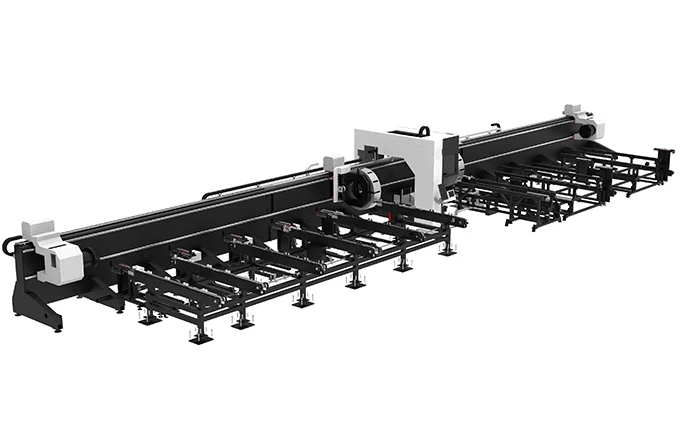
Why Choosing the Right Laser Equipment Matters for Your Business
A laser setup impacts directly on output pace, uniformity, and running expenses. Recent industry data shows that global demand for laser equipment continues to grow, especially in industrial manufacturing sectors. This pattern reveals that producers move toward more productive handling techniques.
Industri Kemenangan delivers more than just devices; it supplies method-focused answers, which cover setup, education. Every device receives thorough output evaluations and security verifications prior to shipping. Consequently, this lowers hazards in setup phases and aids in keeping steady manufacturing over extended periods.
What Materials and Applications Define Your Equipment Choice
The kind of material guides the main technology needed. Handling metals calls for fiber laser arrangements, whereas items like acrylic, timber, and cloth work better with CO₂ lasers. Engraving tasks differ more, requiring fiber, UV, or CO₂ origins based on visibility needs and warmth tolerance.
Victory Industry presents a wide selection of laser setups, enabling choices tied to genuine manufacturing demands. For instance, fiber laser slicing devices handle carbon steel, stainless steel, aluminum, brass, and copper effectively, showing robust results on shiny surfaces. These features prove vital in fields like metal sheet work, electrical casings, and vehicle components.
Fiber vs CO₂Laser: Which One Should You Choose?
Fiber lasers are best suited for metal cutting, offering high efficiency, low maintenance, and excellent performance on reflective materials.
CO₂ lasers are more suitable for non-metal materials such as wood, acrylic, plastics, and textiles, delivering smoother edge quality.
Choosing between them depends mainly on your material type and production needs.
Struggling With Inconsistent Cutting Quality and Speed?
Matching Laser Power, Precision, and Machine Structure
Selecting laser strength remains essential. Standard levels from 1 kW up to more than 20 kW vary with material depth. Slender panels need quick movement and reliable entry points, whereas heavier slabs require steady power delivery. Location exactness matters too, generally ranging from ±0.03 mm to ±0.1 mm according to the motion mechanism.
yang Mesin Pemotong Laser VIT-F tackles these challenges through high electro-optical conversion efficiency and a sealed optical path. This setup cuts down on upkeep needs while preserving slicing accuracy. It supports assist gases such as oxygen, nitrogen, and compressed air, permitting tweaks for border finish and expense management.
Victory Industry incorporates self-adjusting slicing tips, cooling units, and debris removal setups into the device design. These elements often get ignored, yet they influence everyday results profoundly. Moreover, the integration ensures smoother operations and fewer interruptions in routine tasks.
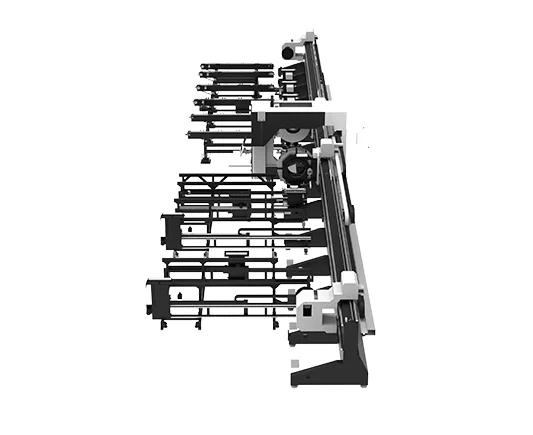
How to Balance Cost, Efficiency, and Long-Term ROI
The cost of a laser machine should be evaluated over its entire lifecycle. A low initial price may lead to higher operating costs if maintenance is frequent or energy consumption is high.
Fiber laser arrangements use less power than classic CO₂ lasers, and they avoid dependence on reflective surfaces, which lessens repair demands. In the long run, this brings reduced stoppages and dependable yields. CO₂ devices retain strengths in non-metal tasks, particularly for clean borders on acrylic and timber, but they necessitate periodic light adjustments.
Victory Industry employs rigorous standard oversight from part acquisition to ultimate review. This method guarantees that devices uphold reliable outputs. Details on tech advancements and sector shifts also appear at industrial laser applications guide, assisting purchasers in remaining updated during upgrade planning. Furthermore, such resources enable informed choices that align with evolving business needs.
ROI Example: Cost Comparison
For example, fiber laser cutting machines can reduce electricity consumption by up to 30% compared to traditional CO₂ systems.
In many workshops, fiber laser systems improve cutting speed by 2–3 times and significantly reduce downtime, helping achieve ROI within 1–2 years.
Concerned About Automation and Future Scalability?
Manufacturing demands often grow faster than expected. Devices unable to connect with automated setups might turn into restrictions.
Choosing Equipment That Integrates With Smart Production Lines
Automated features boost availability and cut down on hand-operated steps. Typical options encompass self-loading and offloading mechanisms, tray switchers, and mechanical sorting devices. These arrangements shorten wait times and enhance total device performance.
Victory Industry facilitates connections with mechanical setups and intelligent facility designs. Its devices come built for harmony with automated sequences, permitting step-by-step improvements. This adaptability holds value when output levels fluctuate or item varieties broaden. As a result, businesses can adapt efficiently to changing demands without major disruptions.
What Technical Specifications Should You Compare Before Buying
Key technical specifications should be carefully evaluated. The laser origin type sets material suitability. Operational zones like 3015, 4020, or 6025 ought to fit manufacturing size. Cooling mechanisms impact steadiness, particularly during nonstop runs.
Slicing depth and helper gas options shape both standards and expenses. Program and command systems must allow accurate setting changes and simple handling. Supplies like tips and shield glasses require consideration, since they influence extended upkeep.
Industri Kemenangan delivers adjustable designs, covering strength levels, operational zones, and automated choices. This approach makes certain the device fits real manufacturing situations instead of demanding concessions. Additionally, such flexibility supports diverse operational scales and specific requirements.
Why Supplier Capability Matters as Much as the Machine
A machine alone does not guarantee successful production. Vendor skills decide the ease of project flow from setup to active use.
Industri Kemenangan supplies an organized shipping process. It begins with needs assessment, then moves to practicality review, test samples, production, and closing approval checks. Following setup, education and care strategies get offered to back prolonged application.
Client comments frequently stress dependable outputs and quick expert aid. These aspects carry weight when timelines press. Reach details exist at get a laser solution quote, enabling straightforward talks for initiative advice.
Making the Final Decision Based on Your Production Goals
The final decision should align with your production strategy and business goals. Compact operations might prioritize budget-friendly devices with hand controls. Expanding firms usually need greater velocity and some automated elements. Extensive producers gain from unified setups merging slicing, folding, and joining.
Victory Industry presents expandable answers, ranging from individual devices to full manufacturing chains. This allows capacity growth without swapping current gear.
Get a Free Laser Solution Proposal
– Application analysis
– Machine configuration recommendation
– Sample testing
– ROI estimation
Contact our team to get a customized laser solution for your business.
FAQ (Pertanyaan umum)
Q1: How do you choose between fiber and CO₂ laser systems?
A: Fiber lasers suit metal tasks with strong efficiency and minimal upkeep. CO₂ lasers handle non-metal items like acrylic and wood more effectively.
Q2: What affects cutting quality the most?
A: Stability in laser strength, focus placement, purity of helper gas, and state of the tip all contribute significantly to outcomes.
Q3: Is high power always better for laser cutting?
A: Not always. Strength must correspond to material depth and purpose. Too much strength raises expenses without better results.
Q4: Can laser equipment be integrated into automated production lines?
A: Yes. Numerous setups allow automation features like mechanical loading, tray changers, and connections to intelligent facilities.
Q5: What should you consider when selecting a supplier?
A: Assess expert assistance, adjustment skills, standard oversight, and follow-up care, beyond just device details.
Q6: What is the cost of a laser cutting machine?
A: The price depends on machine power, working area, and automation level. Entry-level machines may start from around $10,000, while high-power industrial systems can exceed $100,000.
Q7: How long does delivery take?
A: Standard machines usually take 2–6 weeks for delivery. Customized solutions with automation systems may require a longer production and integration time.
Q8: What maintenance is required for laser equipment?
A: Regular maintenance includes cleaning optical components, checking assist gas systems, inspecting nozzles and lenses, and ensuring stable cooling conditions. Fiber laser machines generally require less maintenance than CO₂systems.