











A fiber laser cutting machine can run reliably for years, but only if maintenance is part of normal production instead of something done after a bad cut appears. Small problems often show up first as slower piercing, more dross, rough edges, unstable holes, or a program that suddenly stops giving the same result.
Use this laser cutting machine maintenance checklist before each shift and at weekly, monthly, and quarterly intervals. It covers the cutting head, protective lens, nozzle, assist gas, chiller, motion system, extraction, and safety devices. Follow the machine maintenance schedule and your factory safety procedure. Use lockout/tagout and the required PPE where the job calls for it. Electrical cabinets, high-voltage parts, the laser source, and safety-system testing should be handled by trained and authorized personnel.
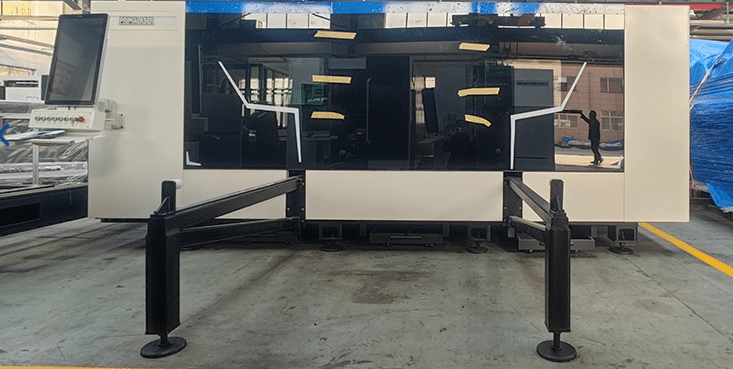
Why Does Maintenance Affect Laser Cutting Results?
A fiber laser cutting machine works as one system. The cutting head, optics, nozzle, gas supply, cooling, axis motion, height sensing, sheet support, and extraction all affect the final cut. If one part is not working normally, the problem can easily look like a bad laser power or speed setting.
The basic rule is simple: check the machine before changing a proven cutting program. A contaminated protective lens can reduce usable beam energy. A damaged or off-center nozzle can disturb gas flow. Poor cooling can make a stable job change during a long shift. Raising power straight away may only hide the real issue.
Quick Maintenance Checklist
| Frequency | Check | Pass Condition | If Something Is Wrong | Responsible |
| Before each shift | Protective lens, nozzle, ceramic ring | Clean, undamaged, secure | Stop, clean, or replace | Operator |
| Before each shift | Nozzle centering, height sensing, autofocus | Self-check normal | Recalibrate and make a test cut | Operator / technician |
| Daily | Assist gas, chiller, hoses | Stable flow, no leak or alarm | Check supply, filter, regulator, and chiller | Operator |
| Daily | Bed, slats, work area, extraction | No loose scrap; airflow normal | Remove scrap and check supports or filters | Operator |
| Weekly | Rails, racks, lubrication, cable carrier | Clean, lubricated, no abnormal wear | Service or arrange repair | Mantenimiento |
| Monthly / quarterly | Test part, electrical, mechanical, safety items | Results match normal records | Escalate before production continues | Technician / quality |
Maintenance frequency should follow operating hours, dust level, shift load, factory rules, and the schedule for the actual machine. Where these differ, use the stricter interval.
What Should Be Checked Daily and Weekly?
Daily checks should stay close to the parts that can change cut quality quickly. Look at the protective lens under suitable inspection light. Check the nozzle opening for spatter, deformation, blockage, or other damage. After a nozzle change or cutting-head collision, confirm nozzle centering before normal production.
Before the first sheet, make sure autofocus and height sensing respond normally. Assist-gas pressure should remain stable during actual flow, not only while the machine is idle. Look at the slats and sheet support as well. A badly damaged support can change stand-off distance or let the plate move during a long contour.
Keep the Work Area and Cooling System Clean
Remove slag, scrap, and loose offcuts from the bed and around the exchange table. Check extraction airflow. Heavy smoke, weak suction, or an unusual odor can point to a loaded filter or blocked duct.
Weekly work should cover chiller level, water temperature, alarms, hoses, filters, visible connections, guide rails, racks, pinions, lubrication points, cable carriers, and moving parts. Do not blow uncontrolled compressed air into electrical cabinets. Fine metal dust can get into fans, connectors, bearings, and sensors.
Safety light curtains, emergency stops, door switches, and interlocks should only be checked under the approved factory procedure. Never bypass a safety device just to keep production moving.
What Should Be Checked Monthly, Quarterly, and after Service?
Longer intervals are useful for problems that are harder to notice during a normal shift. Cut a simple test part with a hole, slot, corner, and repeated dimension, then compare it with your normal approved result. If the same feature begins to drift, check nozzle centering, focus, height sensing, sheet movement, mechanical play, and thermal condition before rewriting the program.
Qualified technicians should inspect electrical connections, cabinet cooling, grounding, cable carriers, drive components, bolts, covers, and signs of overheating or unusual wear. High-voltage areas and laser-source compartments are not operator maintenance points.
After a Collision or Cutting-Head Service
Do not go straight back to batch production after a head collision, nozzle replacement, or cutting-head service. Check nozzle centering, focus, height calibration, and stand-off distance, then make a test cut. Production should resume only when the sample is back within your normal acceptance range.
Keep basic consumables on hand too. Protective lenses, nozzles, ceramic rings, and filters cost little compared with an idle production line. Track use by material, thickness, assist gas, and operating hours. That gives you a much more useful spare-parts stock than simply ordering the same quantity every month.
How Should Cutting Problems Be Diagnosed before Parameters Are Changed?
Changing laser power, speed, focus, and gas pressure at the same time makes troubleshooting harder. If the next cut looks better, you still do not know which adjustment fixed it.
A cleaner order is machine condition first, then optics and nozzle, gas supply, cooling and mechanical condition, and finally process parameters. The same logic is useful when working through fiber laser cutting parameters for carbon steel. Nozzle wear, protective-lens contamination, poor centering, or a change in cut height can spoil a saved recipe even when the settings on the screen have not moved.
Use the Symptom to Decide What to Check First
| Symptom | Check First | Change Parameters When |
| Dross suddenly increases | Nozzle, gas flow, protective lens, stand-off distance | Machine condition is stable |
| Piercing takes longer | Optics, focus response, gas, laser alarms | No physical fault is found |
| Small holes lose roundness | Nozzle centering, height sensing, focus, sheet support | Calibration is confirmed |
| Edge changes during a long cut | Plate flatness, flowing gas pressure, cooling, height | Supply and machine condition stay stable |
Keep a simple maintenance record. Date, machine ID, operating hours, inspection result, replaced parts, alarm or fault number, action taken, and closing date are enough for a useful shop record.
Those notes become valuable when yesterday’s job ran well and today’s does not. Instead of starting from zero, you can check what changed between the last stable run and the current one.
Which Laser Cutting Machine Is Suitable for Stable Daily Production?
Maintenance planning should start before the machine arrives. Ask what operators can handle, what needs a trained technician, which spare parts should stay on site, what support is available, and how maintenance intervals change with running hours.
El Máquina de corte láser VIB is one option for repeated sheet-metal work. It can be configured with autofocus, servo-driven motion, linear guides, cooling functions, and a closed cutting area. Power, working area, cutting head, laser source, control system, and other details vary with the configuration, so the machine being quoted should be checked as a complete setup rather than treated as one fixed specification.
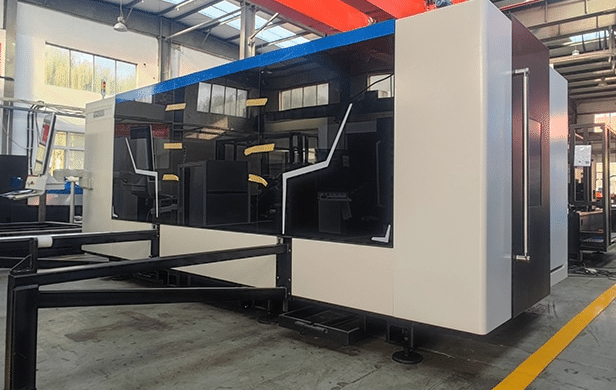
These features do not remove the need for preventive maintenance. What matters on the shop floor is whether the machine is straightforward to inspect, calibrate, service, and keep supplied with the right consumables.
For installation guidance, maintenance planning, troubleshooting, or operator support, Industria de la victoria also provides technical support and equipment services. Before ordering, discuss the maintenance schedule and spare-parts plan together with material type, thickness, daily operating hours, assist gas, production volume, and automation needs.
Conclusión
A laser cutting machine maintenance checklist protects more than the equipment. It helps keep cutting quality, parameter stability, consumable use, and production time under control.
Daily checks should cover the cutting head, protective lens, nozzle, assist gas, cooling, sheet support, and extraction. Weekly work should deal with cleaning, lubrication, motion, filters, and visible wear. Monthly and quarterly work should look at repeatability, calibration, electrical condition, mechanical condition, and safety items. After a collision or service, verify centering, focus, height sensing, and cut quality before going back to batch production.
Most importantly, do not treat every poor cut as a laser power or parameter problem. Check the physical machine first.
If you are planning a new line, contacto Victory Industry with your material range, thickness, daily operating hours, assist-gas plan, and production requirements. Ask for a maintenance-ready machine configuration and a spare-parts plan instead of waiting until the first production problem appears.
FAQs
How Often Should a Fiber Laser Cutting Machine Be Serviced?
Basic visual and production checks should be done before each shift or daily. Cleaning, lubrication, calibration, cooling work, electrical inspection, and specialist service should follow operating hours, working conditions, production load, and the maintenance schedule for the machine.
Does Maintenance Affect Laser Power?
Maintenance does not change the programmed laser power value. Contaminated optics, unstable cooling, a damaged nozzle, poor centering, or gas problems can still change the energy and gas conditions at the cutting point. The same saved program may then produce a different result.
Why Do Fiber Laser Cutting Parameters Suddenly Stop Working?
The settings may be unchanged while the machine condition has changed. Check the protective lens, nozzle, centering, focus, gas flow, cooling temperature, stand-off distance, and sheet support before rebuilding the recipe.
What Should Be Checked after a Cutting-Head Collision?
Check nozzle condition and centering, focus, height sensing, stand-off distance, and any visible mechanical damage. Make a test cut and compare it with your normal accepted result before restarting batch production.