
Laser cutting serves as a fundamental procedure in contemporary fabrication processes. Sheet metal facilities, equipment factories, and parts producers frequently depend on laser setups to obtain exact cuttings, reliable standards, and swift output periods. However, when enterprises start to allocate funds for machinery, a frequent inquiry emerges. This question concerns whether the plant should select a fiber laser or a CO₂ laser.
Both methods have served for numerous years. Each approach functions effectively in particular scenarios. The difficulty for numerous purchasers lies in determining which machine aligns with their actual fabrication demands. material category, cutting depth, production volume, and operating costs all shape this selection.
Within the worldwide manufacturing machine sector,Victory Industrial provides a comprehensive range of fiber laser cutting machines designed specifically for modern sheet metal fabrication.Based on sector information, laser cutting devices continue as one of the most frequently researched item groups in the laser machine sector. This occurs alongside laser joining and laser labeling setups. Purchaser interest in these methods has persisted to increase gradually over recent periods.
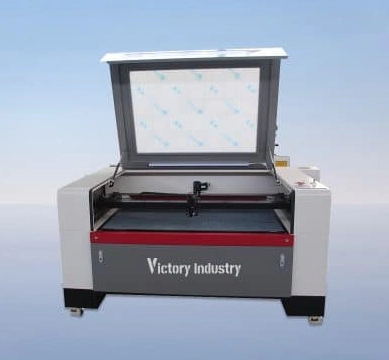
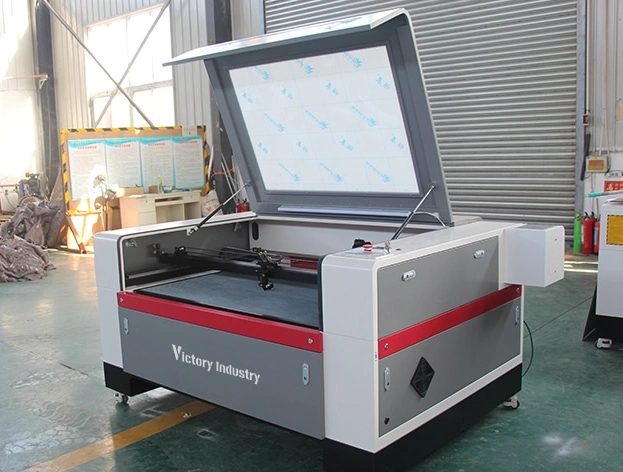
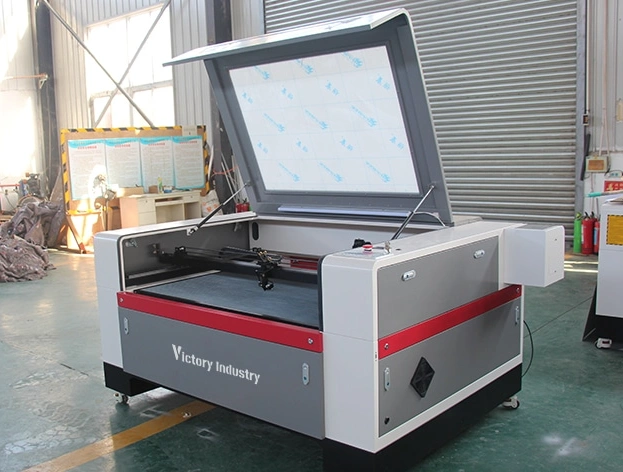
Victory Industrial concentrates on manufacturing laser machine and mechanization answers for sheet metal production. The enterprise fabricates devices for cutting, joining, purification, and labeling. Moreover, it supplies combined output systems for production facilities. Devices including the VIH Laser Cutting Machine and the VIC-E Laser Cutting Machine aim for elevated accuracy in metal handling and ongoing manufacturing operations.
Selecting between fiber laser and CO₂ laser cutting systems demands a thorough examination of how these methods operate and their optimal performance areas.Machines such as the VIH Laser Cutting Machine and VIC-E Laser Cutting Machine from Victory Industry are widely used in high-efficiency production environments.
What Are The Differences Between Fiber Laser And CO₂ Laser Technology?
Laser cutting systems employ a concentrated laser beam to dissolve or evaporate material along a planned route. Although both machinees adhere to this elementary guideline, the manner in which the laser ray originates and conveys varies considerably. This variation impacts cutting productivity, upkeep necessities, and material suitability.
CO₂ Laser Technology
CO₂ laser cutting devices produce laser power via a gaseous blend that includes carbon dioxide. The ray wavelength measures approximately 10.6 μm. This wavelength engages robustly with natural materials. Consequently, CO₂ lasers execute exceptionally in dividing non-metal materials.
The light route in a CO₂ laser device utilizes reflectors and concentrating optics. The laser ray passes through multiple reflective parts before arriving at the cutting tip. This arrangement has gained widespread application over extended durations. It remains recognized for generating even borders on materials like acrylic or timber.
Nevertheless, reflector-dependent light systems necessitate consistent calibration and care. Elements such as reflectors, laser conduits, and optics require periodic review and occasional substitution to sustain dependable cutting outcomes.
Due to these traits, CO₂ lasers commonly appear in fields like sign fabrication, polymer handling, ornamental board production, and fabric cutting.
Fiber Laser Technology
Fiber laser cutting devices produce laser power through a solid medium fiber laser origin. The wavelength measures about 1 μm. Metals absorb this shorter wavelength far more readily than the extended CO₂ wavelength.
Rather than reflectors, the laser ray moves straight through a light fiber conduit to the cutting tip. This configuration removes the intricate reflector system found in conventional CO₂ devices. Therefore, fiber laser devices generally demand reduced upkeep. They also preserve consistent ray excellence over prolonged output sessions.
Fiber laser systems find extensive use in dividing carbon steel, stainless steel, aluminum, brass, and copper. Their capacity to handle reflective metals has broadened their application across various production areas.
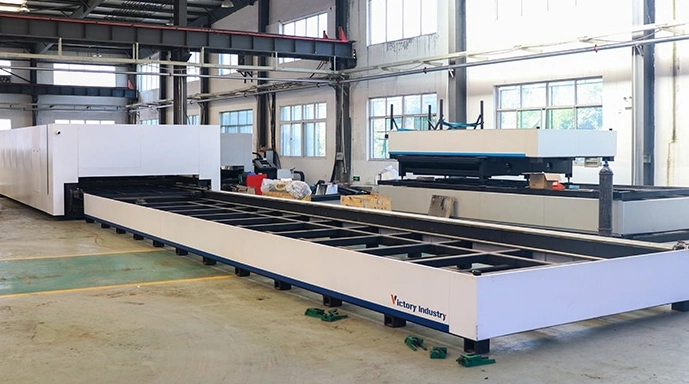
Manufacturing machine providers like Victory Industrial have launched diverse fiber laser variants for sheet metal production. The VIH Laser Cutting Machine represents one instance tailored for rapid cutting of slender and moderate metal sheets. Meanwhile, the VIC-E Laser Cutting Machine applies frequently in mechanized output settings.
How Do Cutting Speed And Efficiency Compare?
Output velocity ranks among the initial elements that plants assess during machine selection. Quicker cutting enables facilities to generate additional components per work period. It also shortens delivery durations.
Fiber lasers generally attain electro-optical productivity of roughly 30 to 40 percent. In contrast, CO₂ laser systems typically function at about 10 percent productivity. This disparity influences both power usage and cutting velocity.In practical production environments, this difference is even more noticeable. For example, a sheet metal subcontractor in Japan that previously used a 4000W CO₂ laser reported significantly faster processing speeds after switching to a high-power fiber laser system, particularly when cutting stainless steel and carbon steel within common industrial thickness ranges.
Cutting Speed
Fiber lasers often divide metal sheets more rapidly than CO₂ devices. This holds true particularly for slender and moderate depth materials. The briefer wavelength permits metal exteriors to take in power more proficiently. As a result, the dissolving and cutting procedure accelerates.
For instance, stainless steel sheets ranging from 1 mm to 6 mm depth frequently undergo processing at greater speeds using a fiber laser system. Quicker initial penetration and steady ray concentration further assist in minimizing non-productive periods during output.
Numerous production facilities adopt fiber laser machine like the VIH Laser Cutting Machine from Victory Industrial. They choose it when requiring elevated output rates and uniform cutting standards.
Energy Consumption
Power usage holds importance in routine output. Fiber lasers transform a greater share of electric power into laser power. Thus, reduced electricity suffices for executing identical cutting assignments.
In plants running several devices over extended work periods, the variation in power usage can substantially alter operating costs across time. Such differences accumulate and influence overall financial planning.This reduction in energy consumption becomes critical in multi-shift production. In one real-world upgrade project, a manufacturer reduced overall electricity usage and auxiliary gas costs by adopting a 12kW fiber laser solution combined with compressed air cutting, eliminating the need for large volumes of oxygen and nitrogen.
Fiber Laser vs CO₂ Laser: Key Differences
| Feature | Fiber Laser Cutting | CO₂ Laser Cutting |
| Laser Source | Solid-state fiber laser | Gas-based CO₂ laser |
| Wavelength | ~1 μm | ~10.6 μm |
| Best Materials | Metals (steel, stainless, aluminum, copper) | Non-metals (wood, acrylic, plastic) |
| Cutting Speed | Faster (especially thin–medium metals) | Slower for metals |
| Energy Efficiency | 30–40% | ~10% |
| Maintenance | Low (no mirrors) | High (mirrors & optics required) |
| Operating Cost | Lower long-term | Higher due to maintenance & energy |
| Thick Metal Cutting | Strong (high-power models) | Limited |
| Automation Compatibility | Excellent | Moderate |
Can Both Laser Types Cut Thick Metal Plates?
Medium Thickness Metal Plates
For metal sheets spanning about 0.5 mm to 20 mm in depth, both CO₂ and fiber lasers execute the cutting procedure. In earlier times, many facilities employed CO₂ devices for moderate-depth steel sheets.
Yet, fiber lasers now receive broad preference within this spectrum. The preference arises from swifter cutting velocities and diminished operating costs. These attributes enhance operational effectiveness.
Thick Metal Plates
When dividing denser sheets exceeding roughly 25 mm, elevated-power fiber laser devices demonstrate robust capabilities. Contemporary manufacturing fiber laser systems with superior power capacities divide extremely dense steel sheets. The feasibility depends on setup and supportive gas adjustments.
These features have permitted fiber lasers to penetrate sectors like building equipment production, system steel production, and substantial equipment fabrication. The expansion reflects their growing reliability in demanding applications.
Victory Industrial has formulated fiber laser systems that accommodate varied power capacities and operational zones. Devices such as the VIC-E Laser Cutting Machine frequently serve in facilities handling denser sheets. They also require dependable cutting performance across diverse materials.
Which Materials Work Best With Each Laser Type?
material compatibility frequently dictates the technology that a producer ought to adopt.
Fiber Laser Applications
Fiber laser cutting devices primarily target metal materials, with standard uses including dividing carbon steel, stainless steel, aluminum, brass, and copper.
These devices also manage reflective metals effectively. Such metals previously posed difficulties for earlier laser systems. Fiber lasers deliver consistent cutting outcomes for numerous sheet metal production duties.
Representative fields include metal furnishings production, electrical enclosure fabrication, vehicle parts production, and system component handling.
CO₂ Laser Applications
CO₂ laser devices excel in dividing non-metal materials, with typical instances including wood, acrylic, plastic sheets, leather, and textiles.
These devices commonly yield pristine borders on acrylic boards and ornamental materials. Within areas like promotional display production or polymer item fabrication, CO₂ lasers maintain widespread utilization. Their suitability persists in these niches.
How Do Equipment Costs Compare?
machine investment encompasses both preliminary acquisition expense and extended running outlays.
Initial Investment
In prior periods, fiber laser devices cost more than CO₂ systems. As fiber methods have advanced, costs have steadily declined. In various instances, the acquisition expense of fiber laser devices now matches or falls below equivalent CO₂ machine.
Maintenance Requirements
Upkeep variations often shape extended operating costs.
CO₂ lasers necessitate routine care for reflectors, optics, and laser conduits. These parts demand regular examination and intermittent replacement to uphold cutting excellence.
Fiber lasers employ enclosed light fiber conveyance and feature fewer optical elements. Owing to this structure, upkeep demands remain generally lower. The simplicity contributes to sustained reliability.From an operational perspective, reduced maintenance is another important factor. Traditional CO₂ laser systems rely on mirrors and optical components that require regular alignment and replacement. In contrast, fiber laser systems use a sealed optical path, which minimizes maintenance frequency.
In the same Japanese fabrication case, the transition from a CO₂ laser to a fiber laser system not only reduced maintenance workload but also improved overall equipment uptime. Over time, these improvements contributed to a significantly better return on investment.
Long Term Return On Investment
Fiber laser cutting systems typically offer solid extended financial benefits, deriving from reduced electricity usage, diminished replaceable parts, and superior cutting velocity.
Across multiple years of output, these elements can markedly lower the expense per fabricated component. The cumulative effect supports improved profitability.
How Should You Choose The Right Laser Cutting Technology?
Selecting the appropriate laser cutting device simplifies when concentrating on genuine output prerequisites.
Material Type
If the plant primarily divides metal sheets or metal system components, fiber laser devices generally represent the superior option.
If output entails substantial quantities of non-metal materials like acrylic, timber, or polymer sheets, CO₂ laser systems may prove more fitting. The alignment ensures optimal performance.
Material Thickness
Slender and moderate metal sheets typically receive quicker handling via fiber laser systems.
For extremely dense sheets, elevated-power fiber lasers still execute proficiently. The execution relies on device setup.With the advancement of high-power fiber laser technology, manufacturers are now able to process thicker materials more efficiently. In some upgraded production setups, compressed air cutting has been successfully applied to carbon steel below 20 mm and stainless steel at even greater thickness ranges, further reducing reliance on assist gases.
Production Volume
Extensive output settings often gain from fiber laser devices. The gains stem from greater productivity and alignment with mechanized output sequences.
Modest facilities managing diverse material categories may continue to depend on CO₂ lasers for their adaptability. This choice accommodates varied needs.
Automation Requirements
Contemporary fabrication progressively merges laser cutting with robotic material handling, inventory structures, and mechanized classification machine. Fiber laser devices commonly integrate into these mechanized output configurations. Their compatibility enhances workflow efficiency.
Conclusion
Fiber laser and CO₂ laser cutting methods both fulfill vital functions in manufacturing operations. Each system possesses merits based on the specific use.
Fiber lasers commonly deliver accelerated cutting velocities, elevated power productivity, and reduced upkeep demands. These devices suit metal production and expansive output particularly well.
CO₂ lasers retain value for fields processing non-metal materials like timber, acrylic, polymers, and fabrics. Their strengths align with these areas.
The ultimate selection hinges on the materials undergoing processing, the depth spectrum of those materials, and the production volume of the plant. Thorough assessment of these aspects aids in identifying the laser cutting system that bolsters dependable output and extended expense productivity.
FAQ
Q1: Can CO₂ Laser Machines Cut Metal?
A: Yes, CO₂ lasers can divide slender metal sheets, but their productivity remains generally inferior to fiber laser devices during metal handling.
Q2: Why Are Fiber Laser Cutting Machines Popular in Metal Fabrication?
A: Fiber lasers feature a wavelength that metals absorb more proficiently, leading to accelerated cutting velocity and diminished power usage.
Q3: Which Laser Type Requires Less Maintenance?
A: Fiber laser systems typically demand less upkeep since they avoid reflector-dependent light routes.
Q4: Are Fiber Lasers Suitable For Thick Steel Plates?
A: Elevated-power fiber laser devices can divide dense steel sheets and find broad application in substantial manufacturing fields.
Q5: Are CO₂ Lasers Still Used Today?
A: Yes, CO₂ lasers continue widespread use for dividing non-metal materials such as acrylic, timber, polymers, and fabrics.
Q6: Is it worth upgrading from a CO₂ laser to a fiber laser?
A: Yes. As shown in real customer cases, upgrading to a fiber laser cutting machine can significantly improve cutting speed, reduce energy consumption, and lower maintenance costs, resulting in a better long-term ROI.