
Selecting the proper laser cleaning machine goes beyond simply reviewing technical details. It requires aligning the device’s features with your actual needs, work conditions, and future objectives. If you plan to strip rust from metal structures in a shipyard or gently remove grime from an old sculpture, picking the correct setup can greatly affect your efficiency.
Laser cleaning is steadily taking over from older techniques such as abrasive blasting and harsh chemical applications. As a result, producers are developing more intelligent, secure, and effective equipment. A notable company in this area is Victory Industrial. Victory Industrial is known worldwide for providing cutting-edge options in laser cleaning, cutting, and welding. Victory Industrial’s range of products features sturdy construction paired with smart management features. This helps various sectors globally shift to operations that are cleaner and more accurate.
Key Factors to Consider When Choosing a Laser Cleaning Machine
Quick Selection Guide for Laser Cleaning Machines
| Selection Factor | Key Considerations | Recommended Configuration | Typical Applications |
| Laser Power Output | Cleaning speed, contamination thickness, production volume | 100–300W (light duty) / 500–1000W (general industrial) / 1500W+ (heavy-duty) | Light rust removal, mold cleaning, heavy rust & paint stripping |
| Laser Type | Heat sensitivity, surface protection requirements | Pulsed laser for delicate surfaces / Continuous wave (CW) laser for robust materials | Electronics, restoration / Shipbuilding, steel structures |
| Material Compatibility | Metal type, coatings, substrate hardness | Adjustable parameters with fiber laser source | Steel, aluminum, copper, stone, plastics |
| Portability | On-site work, confined or elevated areas | Handheld or trolley-mounted systems | Outdoor maintenance, large structures, remote locations |
| Control System | Ease of use, training time, automation needs | Touchscreen HMI with preset recipes and parameter storage | Workshops, factories, automated lines |
| Cooling Method | Continuous operation time, power level | Air cooling (≤500W) / Water cooling (≥1000W) | Short tasks / Long-duration industrial cleaning |
| Automation Capability | Batch consistency, labor reduction | PLC / robot integration-ready systems | Production lines, repetitive industrial processes |
| Safety & Compliance | Operator protection, regulatory requirements | CE/FDA compliance, interlocks, emergency stop | Industrial environments, export markets |
| Maintenance & Lifecycle Cost | Downtime risk, consumables, service access | Fiber laser source with modular design | Long-term industrial ownership |
| After-Sales Support | Training, spare parts, response time | Global service network and training programs | Overseas factories, multi-site operations |
Power Output and Laser Source Specifications
The strength of a laser machine’s cleaning ability links closely to its power level. Machines with greater power provide quicker cleaning rates and better penetration into surfaces. This proves vital for dealing with heavy rust buildup or several layers of coating. Typically, laser power varies from 50 to 2000 W based on the level of dirt and desired pace. Therefore, a 1500W unit can manage demanding removal jobs while keeping good efficiency.
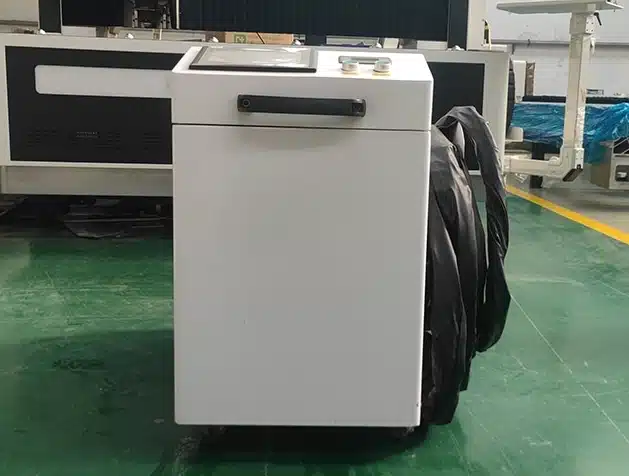
Another important aspect is the kind of laser source used. Fiber lasers stand out for their reliability and extended lifespan. These lasers deliver steady operation, good energy use, and a long working duration, which suits them well for factory settings. Units such as the VIQ Laser Cleaning Machine include ongoing laser generators from trusted makers like Raycus and JPT. As a result, they ensure reliable output during prolonged sessions.
Material Compatibility and Surface Treatment Requirements
Different materials respond in unique ways to laser energy. For this reason, it is essential to pick a machine that allows for adjustable options suited to various surfaces. You could face rusted iron, coated aluminum, or plastic forms. Each type calls for particular adjustments to prevent harm to the base material. When parameters are set correctly, laser cleaning remains targeted and manageable. However, mismatched settings might lead to lasting damage.
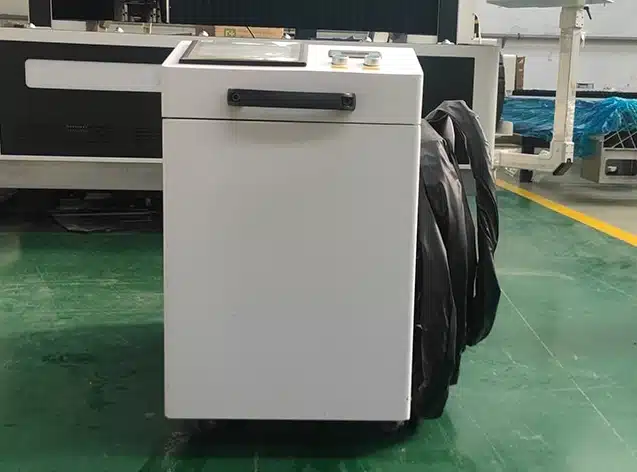
The VIQ-P Laser Cleaning Machine works well across many base materials, including metals, rocks, and plastics. It achieves this through its flexible control setup and portable cleaning head. Consequently, it serves useful purposes in areas like vehicle repairs, mold care, and preserving cultural artifacts.
Portability and Operational Flexibility
Job sites differ widely. For example, you cannot easily move a ship body into a shop, nor take apart a landmark for cleaning. Thus, ease of transport often becomes a must-have feature. A small device with a portable head lets workers access narrow spots or high areas without needing bulky equipment.
The VIQ-P laser cleaning machine has a mobile structure with a handheld cleaning head. This setup allows for exact work in limited or distant places.
Comparing Pulsed vs. Continuous Wave Laser Systems
Differences in Beam Delivery and Heat Impact
The way a laser beam is sent out influences how heat affects the cleaned surface. Pulsed lasers send energy in brief pulses. This approach cuts down on heat buildup in the material. As such, it lowers thermal strain and fits well for sensitive or heat-vulnerable parts.
In contrast, continuous wave (CW) systems release a steady flow of energy. This works effectively for challenging tasks like stripping thick rust or paint. Continuous wave lasers achieve fast cleaning on strong materials.
Victory Industrial provides both types in its cleaning products. You can choose the best one based on your material’s sensitivity and production needs.
Application Suitability Based on Material Sensitivity
In fields like device upkeep or preserving old items, pulsed lasers often serve as the preferred option. They pose less chance of harming intricate parts. Such tasks require accuracy without wearing down the base layer.
Pulsed systems work best for restoring historical pieces and cleaning electronic components. For tougher work, such as clearing coatings from factory equipment, a continuous wave model like the VIQ Laser Cleaning Machine performs more effectively over broad areas.
Energy Efficiency and Maintenance Considerations
Energy savings go further than just cutting electricity costs. They also involve cooling needs and how often the machine stops for upkeep. Pulsed lasers tend to use less power while running because of their on-off pattern. Moreover, they need basic cooling arrangements, which lowers setup expenses.
Victory Industry builds its machines with parts that save energy for dependable long-term use. By comparison, CW systems might require water-based cooling to handle heat during long runs.
Evaluating the Control System and User Interface Design
Importance of Intuitive Operation in Industrial Settings
Laser cleaning tools can seem complicated at first. Yet, their controls should not overwhelm users. Simple interfaces shorten learning periods and cut down on mistakes by operators. Screens that respond to touch and permit instant changes to settings prove especially handy in busy workshops.
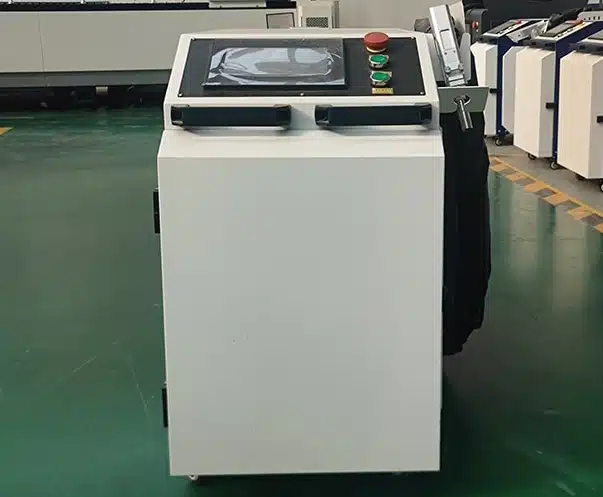
User-friendly interfaces help reduce errors from operators and shorten training durations. The VIQ and VIQ-P models include modern control systems. These offer live tracking and options for personalization via clear software setups.
Software Integration and Automation Capabilities
For factories with automated production lines or robot systems, smooth software linking is key. Equipment that works with programmable logic controllers (PLCs) or CNC machines helps achieve steady outcomes in batches without constant human input.Victory Industry aids in creating custom automated setups via its support staff. This lets you expand your work without major changes to routines or extensive staff retraining.
Safety Features and Compliance Standards
Safety rules in factories are strict, particularly with powerful lasers. Seek devices with integrated safeguards like quick-stop buttons, lockout mechanisms, and adherence to CE or FDA guidelines.
All Victory Industry laser machines fulfill worldwide safety approvals. They include full safety measures that match international rules.
Matching Machine Specifications to Industrial Applications
Heavy-Duty Cleaning in Manufacturing Environments
If your operation includes cleaning big metal pieces such as boat bodies or plane parts, opt for models with higher power ratings. These should handle stripping many layers rapidly. They also need to run steadily for extended times.
VIQ 1000W+ models suit high-volume factory tasks. They deliver strong output reliably for demanding production lines.
Precision Cleaning in Electronics or Restoration Projects
For tasks focused on tiny cleaning areas, like circuit panels or art pieces, there is little room for mistakes. A pulsed laser enables cleaning without burning surfaces or distorting edges.
The VIQ-P 100W model stands out for detailed tasks. It offers sharp precision with little heat influence.
General Maintenance Across Multiple Use Cases
A medium-powered system strikes a good balance between adaptability and value for money. It fits workshops handling varied jobs from mold upkeep to equipment renewal.
The VIQ 500W model brings flexibility to different cleaning situations. It represents a wise choice for sites with mixed demands.
Assessing After-Sales Support and Service Infrastructure
Availability of Technical Assistance and Spare Parts Supply
Even top-quality equipment will require part swaps or adjustments eventually. Reliable post-purchase help thus becomes crucial. Quick responses can prevent long pauses in work.
Victory Industry delivers worldwide aid with prompt access to replacement parts. This keeps operations smooth even during strict timelines.
Training Programs for Operators and Maintenance Teams
Workers benefit from more than basic guides. They gain from practical sessions. Whether in-person or virtual, sessions customized to your field can lift overall output.
Victory Industrial supplies both online and direct training options. These guide your team from initial setup to regular care.
Warranty Policies and Service Contracts Offered
Longer coverage periods show a maker’s trust in their gear. Yearly maintenance deals also aid in planning budgets and keeping steady performance over time.
Victory Industry provides adaptable warranty options based on your needs. This allows forward planning without worries.
Cost Analysis Beyond Initial Purchase Price
Total Cost of Ownership Over Machine Lifecycle
Though stronger machines cost more at the start, their reduced upkeep and better energy use often save money in the end. Factor in expenses for cooling, lost time from stops, and replaceable items when checking overall value.
The VIQ Series focuses on easy upkeep over many years of service. This plays a big role in keeping costs low for ongoing use.
Return on Investment Based on Productivity Gains
Pace counts heavily in active production areas. A device that halves cleaning duration boosts output and trims labor expenses directly.
Victory Industry’s equipment yields clear returns within a few months. This comes from quicker processes and readiness for automation.
Financing Options Available Through Manufacturers
Victory Industry creates custom funding plans on request. These help match spending with your company’s financial flow.
Reviewing Customer Feedback and Market Reputation
Online Reviews from Verified Industrial Users
Go past promotional materials. Genuine comments from users show how gear holds up in real pressure: runtime figures, training simplicity, support quality. These details rarely appear in basic lists.
Buyers praise the straightforward use, dependability, and quick support for Victory Industry items like the VIQ-P series. This highlights their real-world benefits.
Reputation Within Target Industries or Trade Networks
Partnering with suppliers rooted in your specific field brings advantages. In areas like aviation or preservation, a solid name indicates fit with unique demands.
Victory Industry earns respect in sectors via events and approvals. This solidifies their role as a reliable ally in international markets.
Repeat Purchase Rates Among Existing Clients
When customers buy additional units or upgrades, it signals the equipment meets expectations. Strong loyalty rates indicate solid performance and growth potential.
Numerous buyers keep adding to their VIQ lineup. They do so based on consistent success in various sites around the world.
When selecting the right laser cleaning machine, understanding the machine’s technical specifications and work conditions is crucial. If you have any questions or need further advice to choose the most suitable laser cleaning equipment for your needs, feel free to get in touch with Victory Industrial. Victory Industrial are happy to provide expert consultation and tailored solutions to ensure you get the best equipment and service for your specific applications.
FAQ
Q1: What materials can laser cleaning machines work on?
A: These devices handle various metals such as steel, aluminum, and copper. They also treat stone, plastics, and concrete. The suitability depends on the specific model setup.
Q2: Is laser cleaning safe for delicate items?
A: Yes, it proves quite safe. Pulsed lasers reduce heat effects significantly. As a result, they work well for electronics.
Q3: Do these machines require regular maintenance?
A: They need far less upkeep than abrasive techniques. You should inspect cooling systems often. However, replaceable parts remain limited in number.
Q4: Can I use these machines outdoors or in remote locations?
A: Yes, portable versions like the VIQ-P suit mobile applications. They function effectively in outdoor settings or tight areas.
Q5: Where can I request pricing or consultation?
A: Contact Victory Industrial via their official website or form. This way, you obtain precise quotes and helpful suggestions. Such support fits your exact needs and helps choose the right equipment for your work.